

Book Online
Please choose which location you would like to make an appointment for.
Dry eye is not always simple.
For some people, it feels like gritty, tired or burning eyes. For others, it causes watering, redness, light sensitivity or fluctuating vision. Symptoms can come and go, or they can affect your comfort every day.
At Innovative Eye Care, we assess dry eye conditions at our Adelaide and Henley Beach practices. We look at your tear film, eyelids, meibomian glands and eye surface to understand why your eyes feel dry, irritated or watery.
Dry eye disease is now understood as a multifactorial condition, meaning it can have several causes. It is often linked with tear film instability, inflammation, ocular surface changes and nerve-related symptoms.
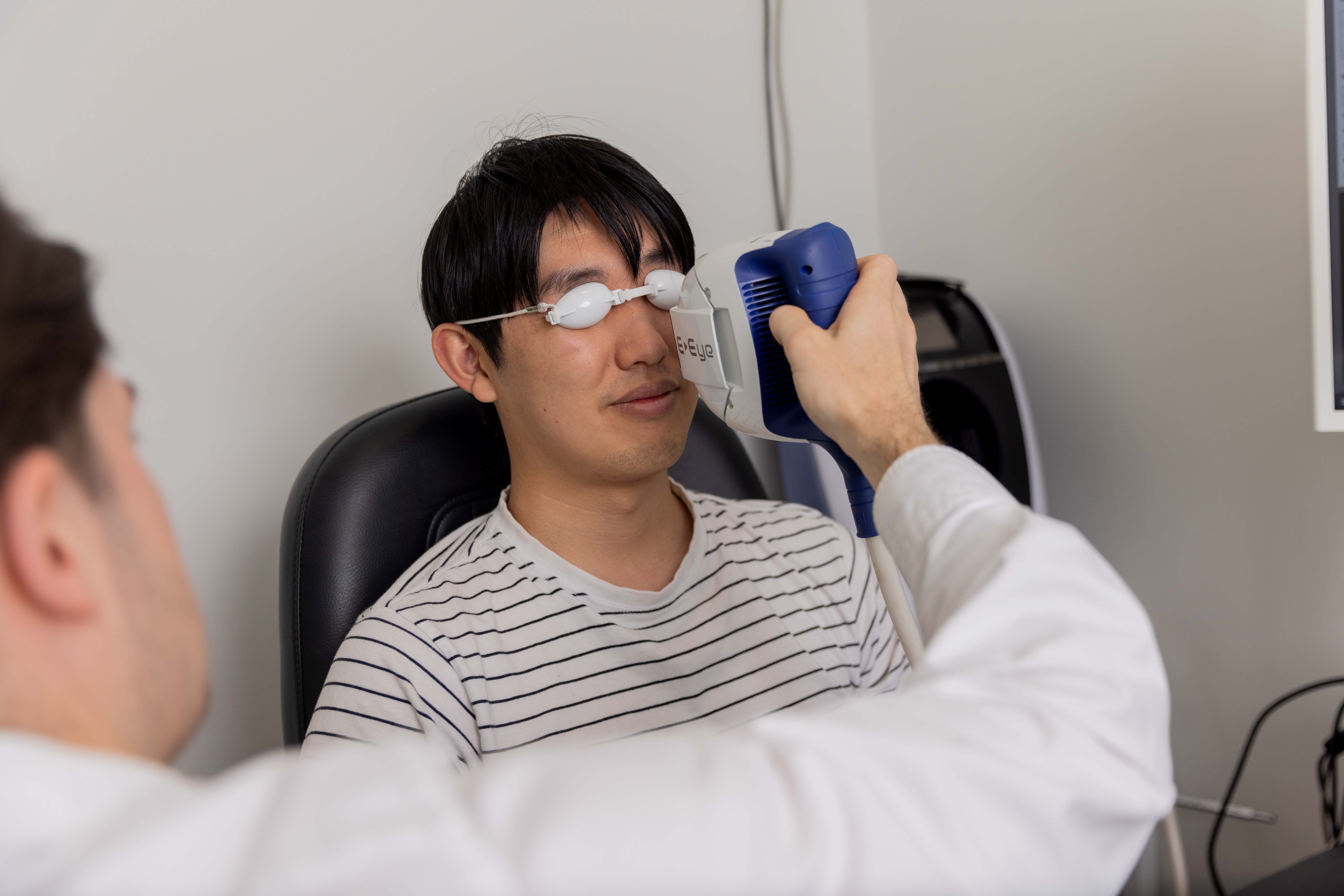
Dry eye conditions are a group of eye surface and eyelid problems that affect how your tears work.
Healthy tears need the right balance of water, oil and mucus. If the tear film breaks down too quickly, or if your eyes do not produce enough tears, the eye surface can become irritated.
Common dry eye conditions include:
These conditions often overlap. For example, blepharitis can contribute to meibomian gland dysfunction, and meibomian gland dysfunction is a common cause of evaporative dry eye.
Dry eye disease occurs when your tear film becomes unstable or unhealthy. This can happen because your eyes do not produce enough tears, your tears evaporate too quickly, or the eye surface becomes inflamed.
Common symptoms include:
Learn more:
Dry Eye DiseaseDry Eyes Guide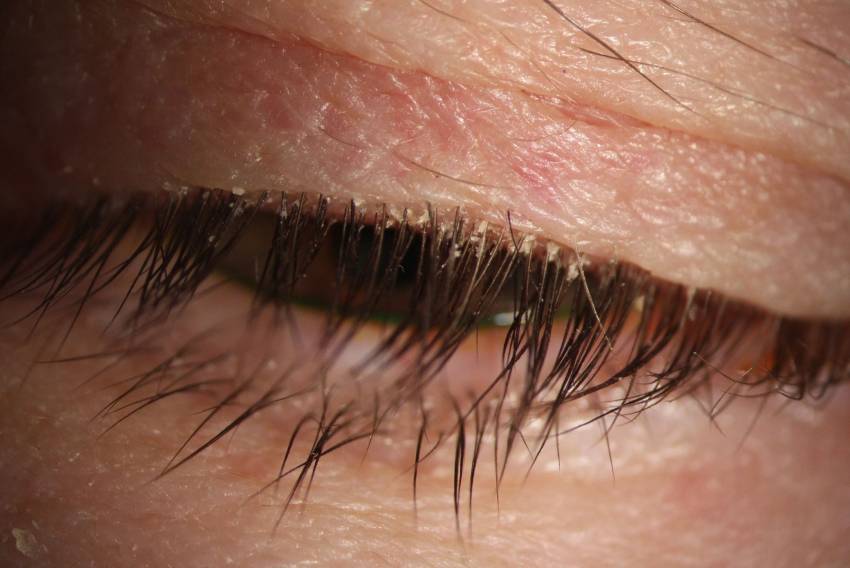
Blepharitis is inflammation of the eyelids, usually around the base of the lashes or the oil glands within the eyelids.
It can cause:
Blepharitis can involve bacteria, skin inflammation, Demodex mites, or blocked oil glands. Demodex blepharitis is increasingly recognised as an important cause of chronic eyelid inflammation, especially when collarettes are seen at the base of the lashes.
Blepharitis is often long-term. The goal is usually control, not a one-off cure. Treatment may include lid hygiene, warm compresses, targeted lid cleaning, prescription treatment, in-office therapy, or management of associated dry eye.
Learn more:
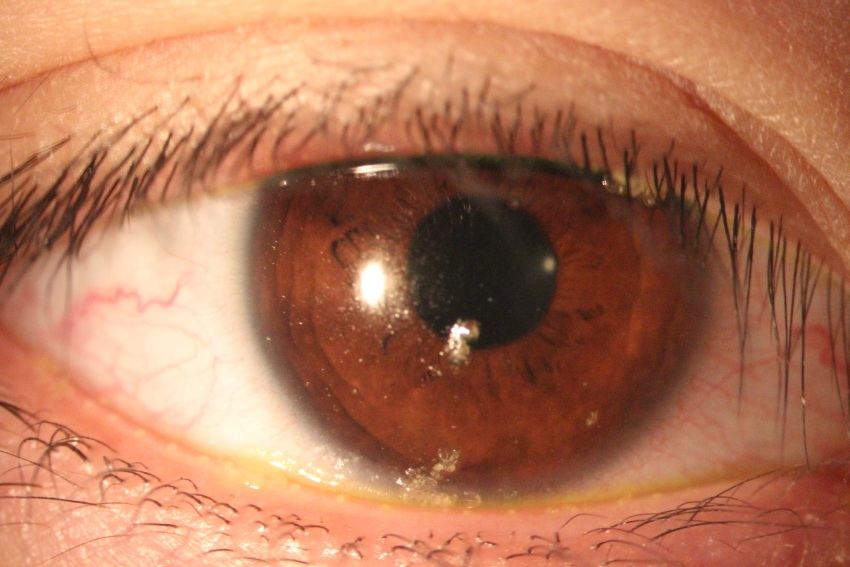
Meibomian gland dysfunction, often called MGD, occurs when the oil glands in the eyelids do not work properly.
These glands normally release oil into the tear film. This oil helps stop your tears from evaporating too quickly. When the glands become blocked or the oil quality changes, the tear film can break up too fast.
MGD is widely recognised as a major cause of evaporative dry eye.
Symptoms can include:
MGD is not always obvious to the patient. Some people have significant gland changes before they notice strong symptoms. This is why gland assessment can be useful when dry eye symptoms keep returning.
Learn more:
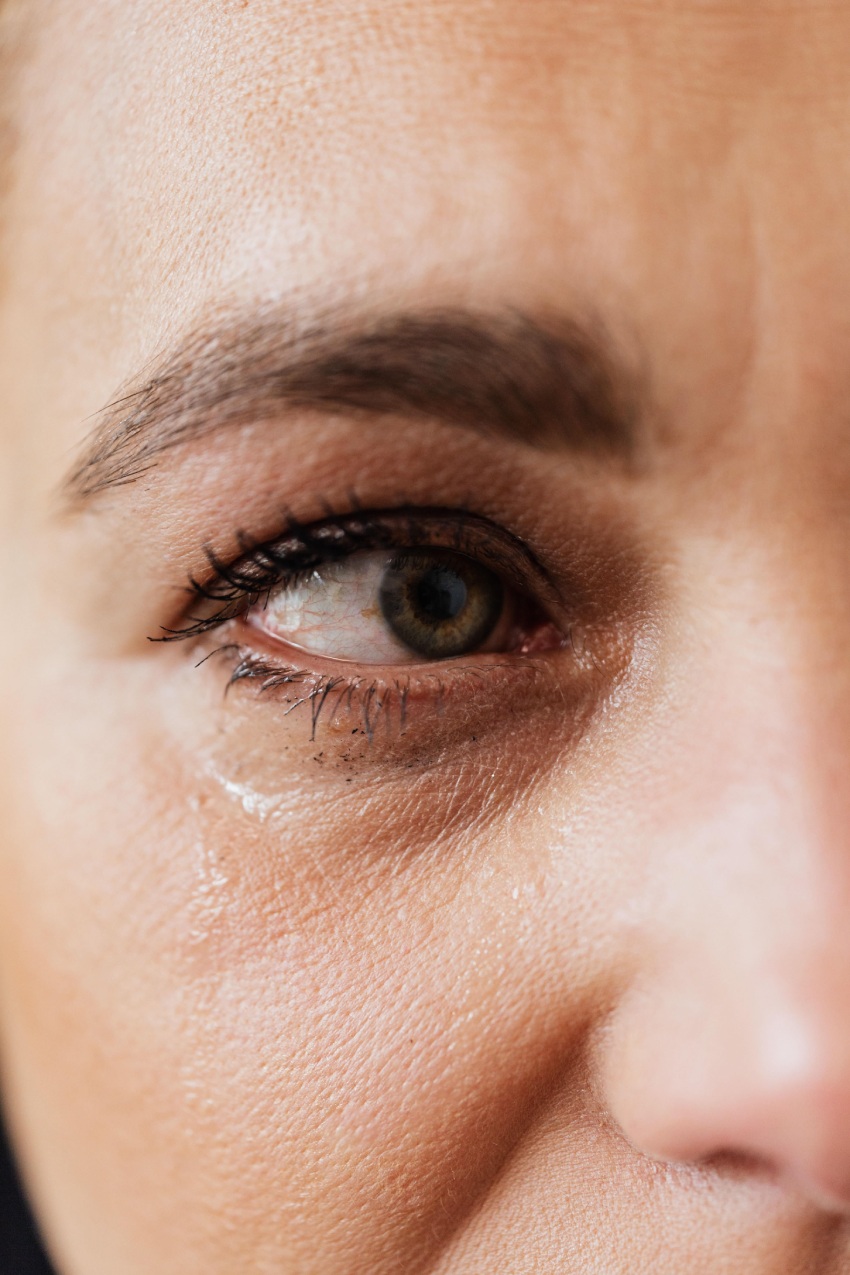
Watery eyes can still be dry eyes.
When the tear film is unstable, the eye surface can become irritated. This can trigger reflex watering. These reflex tears may run down your face, but they often do not fix the underlying tear film problem.
This is common in evaporative dry eye, blepharitis and MGD.
Dry eye conditions can have more than one cause.
Common contributors include:
For mild dry eye, simple changes often help. This may include better eye drops, lid care, screen breaks, and reducing exposure to wind or air conditioning. If symptoms continue, more targeted treatment may be needed.
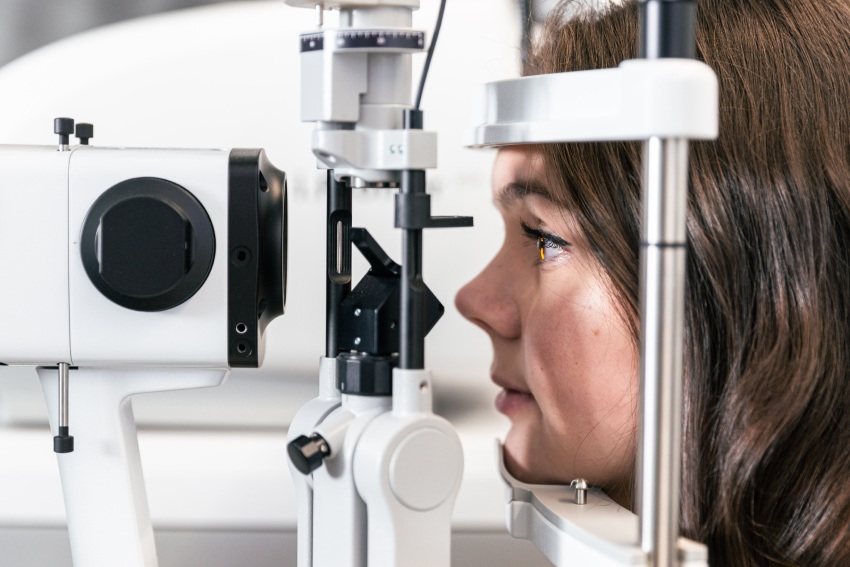
A dry eye assessment may include:
The aim is to identify the main driver of your symptoms. Dry eye treatment is more effective when we know whether the problem is mainly tear evaporation, low tear production, eyelid inflammation, gland blockage, or a mix of causes.
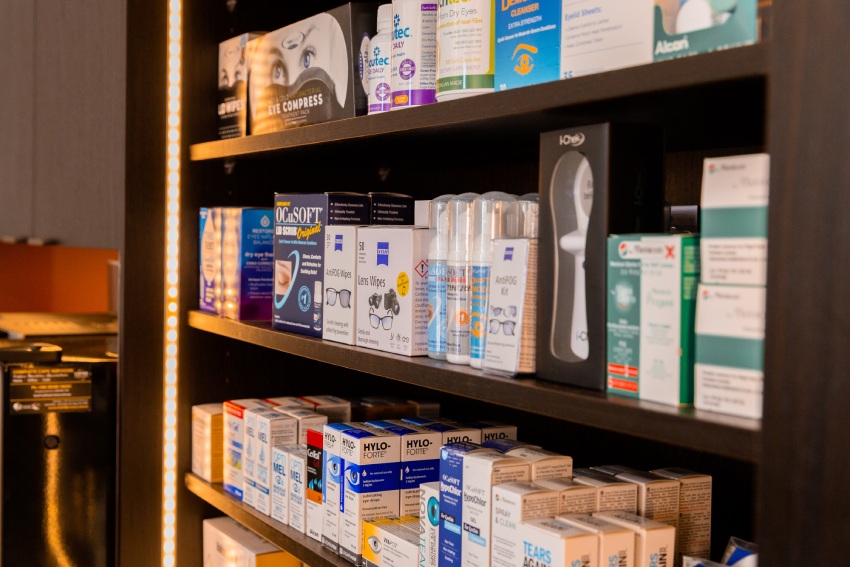
Treatment depends on the cause and severity.
Your plan may include:
Some people only need simple home care and better lubricants. Others need more targeted treatment for eyelid inflammation, blocked oil glands or chronic dry eye disease.
Learn more:
You should book an assessment if you have:
For mild dry eye, simple changes often help. This may include better eye drops, lid care, screen breaks, and reducing exposure to wind or air conditioning. If symptoms continue, more targeted treatment may be needed.
Learn more:

Innovative Eye Care provides dry eye assessment and management at our Adelaide and Henley Beach practices
We assess the tear film, eyelids and meibomian glands to help identify the cause of your symptoms. From there, we create a treatment plan based on your eyes, your symptoms and your day-to-day needs.