

Book Online
Please choose which location you would like to make an appointment for.
Keratoconus surgery can help stabilise the cornea, improve vision, or reduce the need for a corneal transplant.
At Innovative Eye Care, we do not perform keratoconus surgery in-house. Our role is to assess your cornea, monitor progression, improve your vision with specialty contact lenses, and refer you to the right ophthalmologist when surgery may be needed.
We also provide ongoing care before and after surgery, including corneal imaging, scleral lens fitting, contact lens optimisation, and shared care with your surgeon.
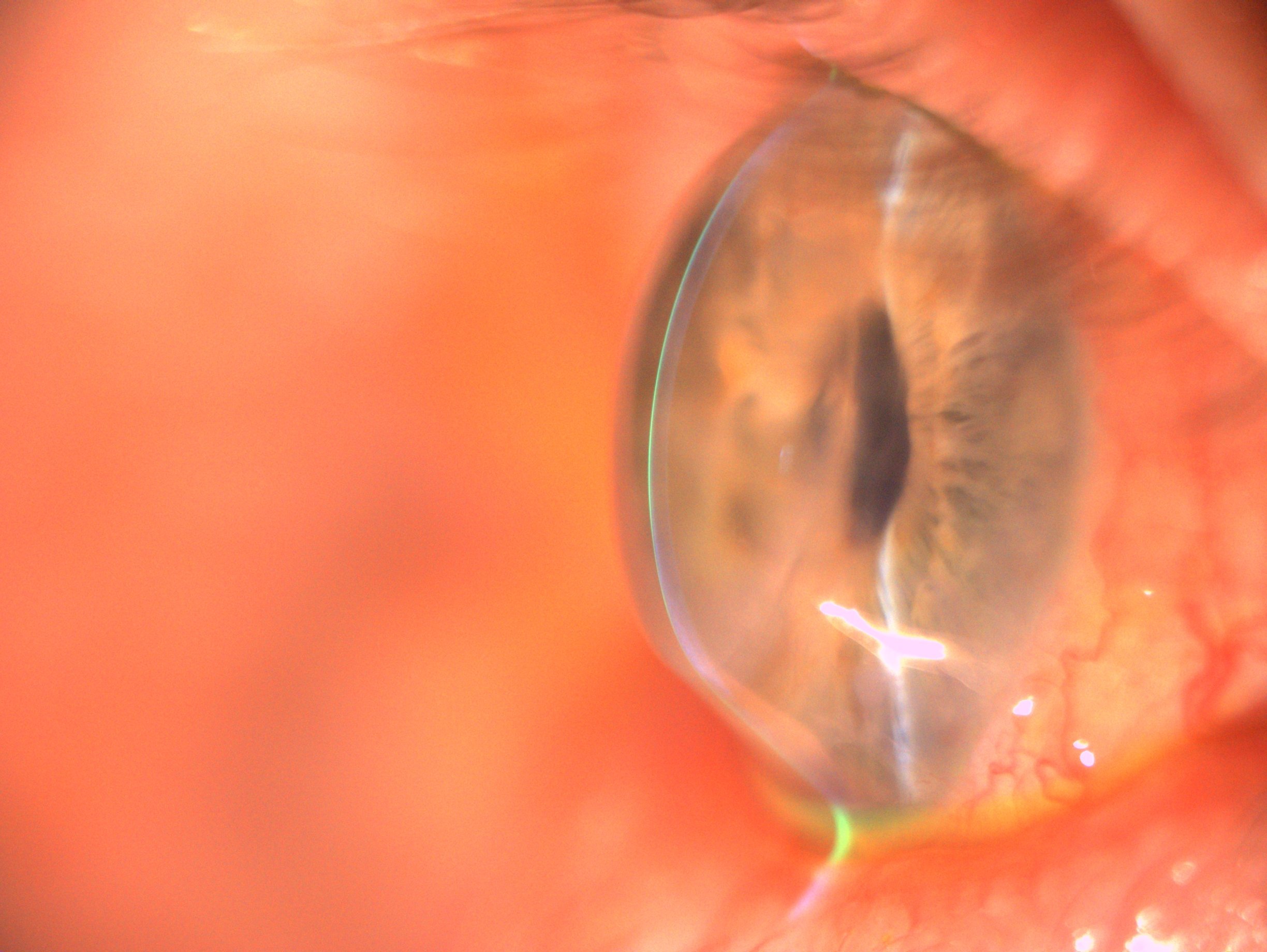
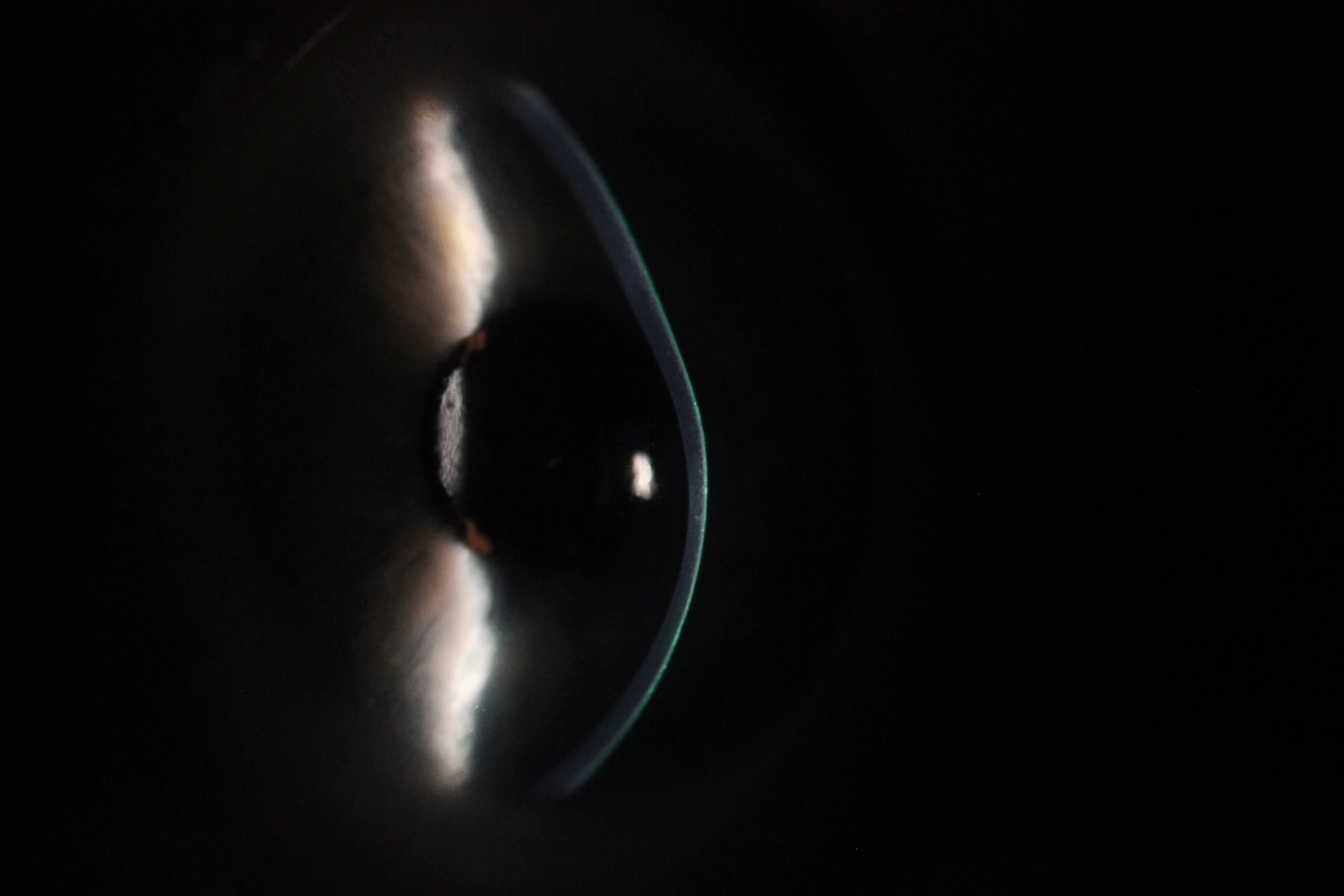
Most people with keratoconus do not need a corneal transplant.
Surgery may be considered when:
The right option depends on your age, rate of progression, corneal thickness, vision, contact lens tolerance, and corneal health.
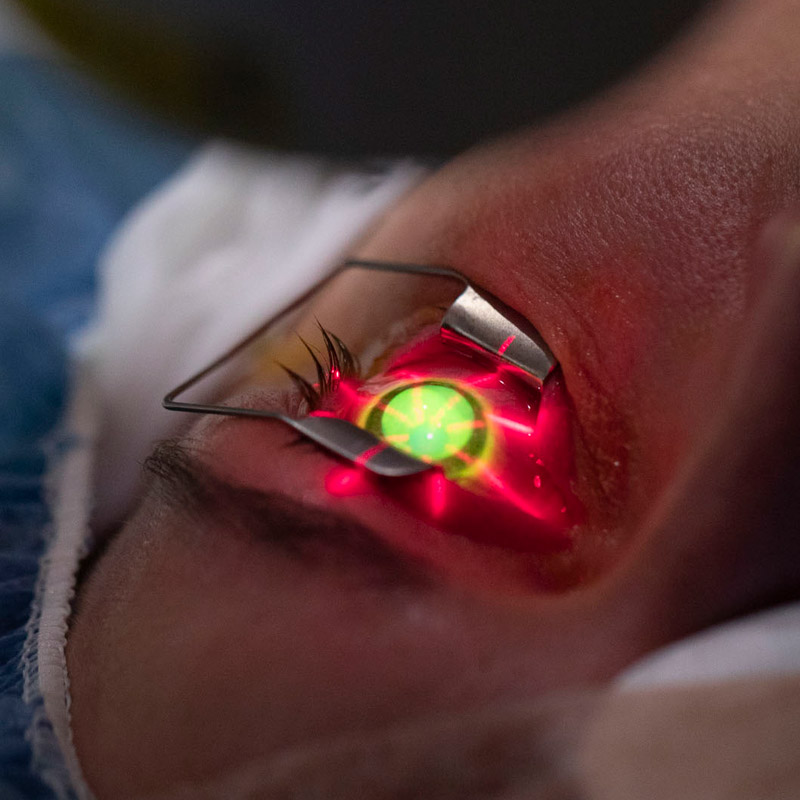
Corneal cross-linking, also called CXL, is often the first surgical treatment considered for progressive keratoconus.1,2
Its main goal is to strengthen the cornea and slow or stop progression. It is not mainly designed to remove your need for glasses or contact lenses.
During CXL, riboflavin eye drops and ultraviolet light are used to strengthen collagen bonds in the cornea. This can help reduce the risk of further corneal weakening.
CXL is most useful when progression is detected early. This is why regular monitoring with corneal imaging matters.3
You may still need glasses, rigid lenses, or scleral lenses after cross-linking to achieve your best vision.4
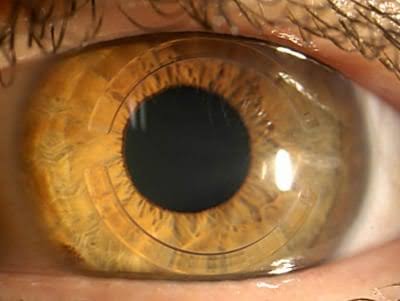
Intracorneal ring segments, sometimes called ICRS, are small, curved implants placed within the cornea.5,6
They aim to reshape the cornea and improve the regularity of the corneal surface. They may improve vision in selected patients, especially when contact lenses are not tolerated.7
ICRS do not stop keratoconus progression. If the condition is still progressing, cross-linking may also be considered.
ICRS are not suitable for every eye. Suitability depends on corneal thickness, corneal shape, scarring, and the severity of keratoconus.
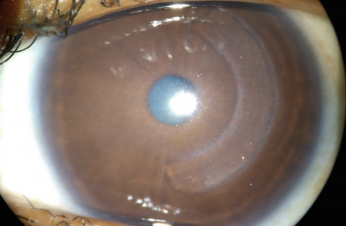
Corneal Allogenic Intrastromal Ring Segments, also known as CAIRS, is a newer type of corneal ring procedure that uses donor corneal tissue rather than synthetic ring material.6
It may offer advantages in selected cases, but it is still an emerging treatment. Your ophthalmologist can advise whether it is suitable, available, and appropriate for your eye.

Some patients may be considered for laser-based treatment combined with CXL.8,9
This is not the same as standard laser eye surgery for short-sightedness. In keratoconus, the aim is usually to reduce irregularity and improve the quality of vision, rather than fully remove a prescription.
This option requires careful case selection because laser treatment removes corneal tissue, and keratoconus corneas are already thin.
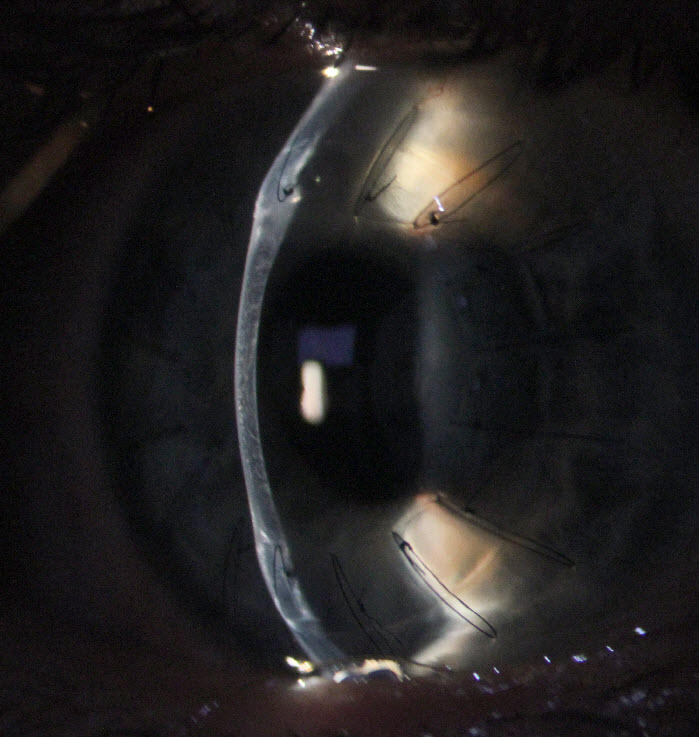
A corneal transplant, or keratoplasty, is usually reserved for advanced keratoconus.10,11
It may be considered when vision cannot be improved enough with glasses or contact lenses, when contact lenses cannot be tolerated, or when there is significant corneal scarring.
There are two main transplant types used for keratoconus:
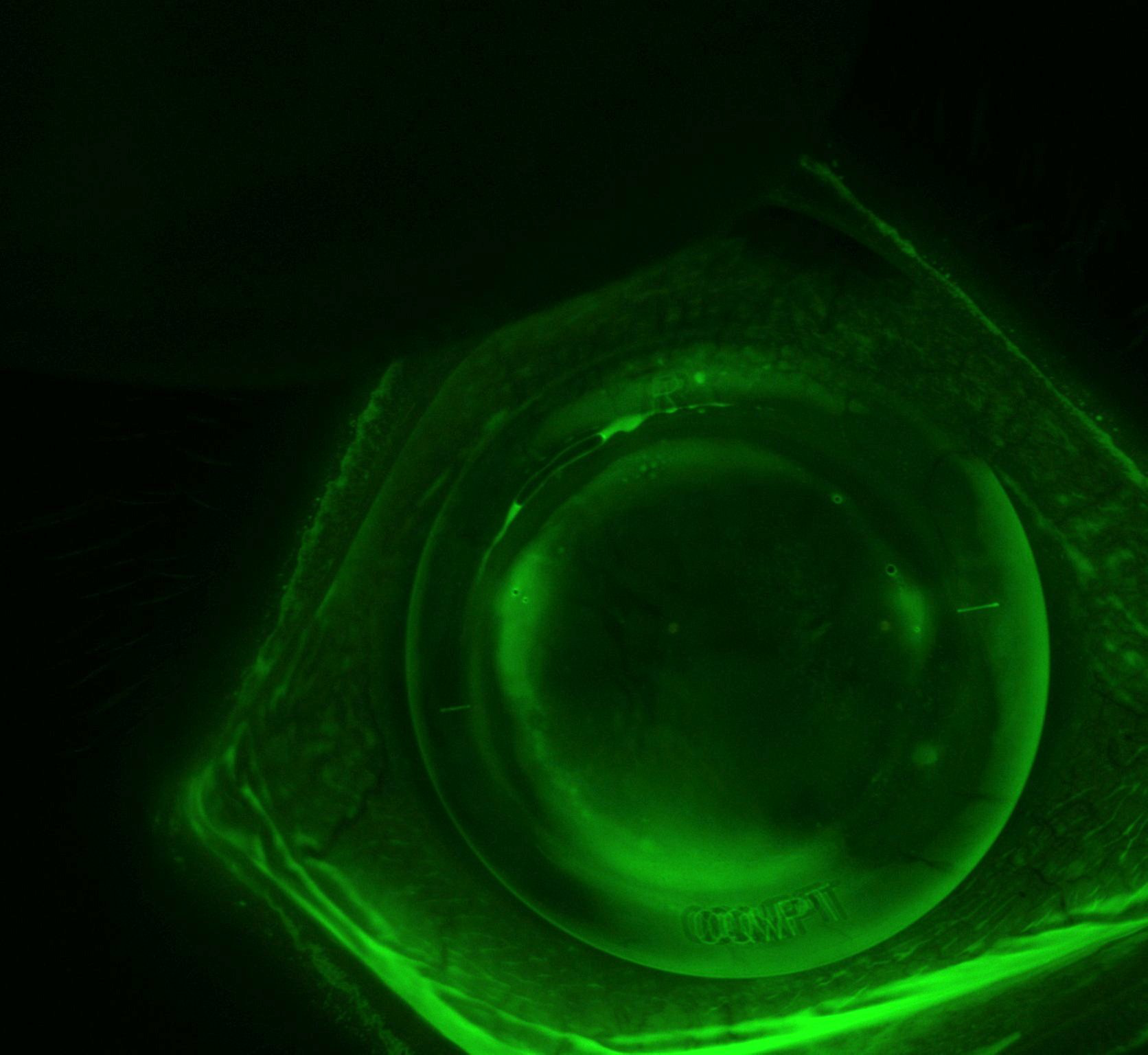
Keratoconus surgery can help stabilise the cornea or improve its shape, but it does not always remove the need for glasses or contact lenses.
Many patients still need visual rehabilitation after surgery. This may include:
Scleral lenses are often helpful after keratoconus surgery because they vault over the cornea and create a smooth optical surface. At Innovative Eye Care, we fit scleral lenses for keratoconus and corneal grafts, where the cornea may be irregular or compromised.

Before surgery is considered, accurate assessment is essential.
At Innovative Eye Care, we can help by:
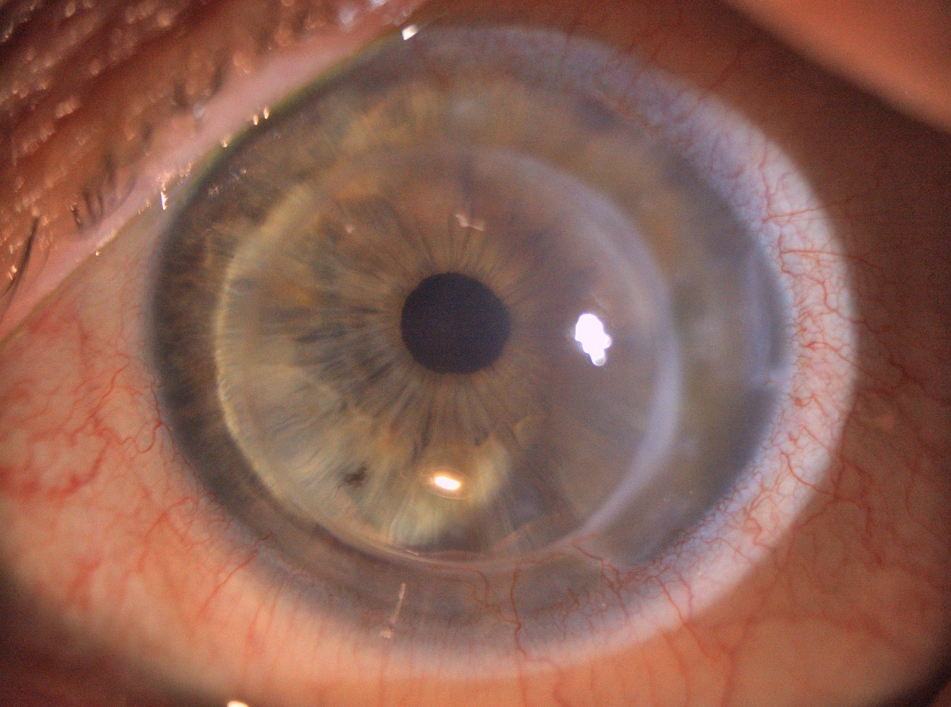
After surgery, your care often continues for months or years.
We can help with:
Keratoconus care has changed.
Australian data shows corneal grafts for keratoconus decreased from 3170 in 2001 to 2010 to 2797 in 2011 to 2020.13 This shift coincided with increased use of corneal cross-linking and rigid or scleral contact lenses.13
The same Australian study found that CXL use increased after it was added to Medicare in 2018, and that CXL was most common in people aged 15 to 24 years.
This supports a modern treatment approach:
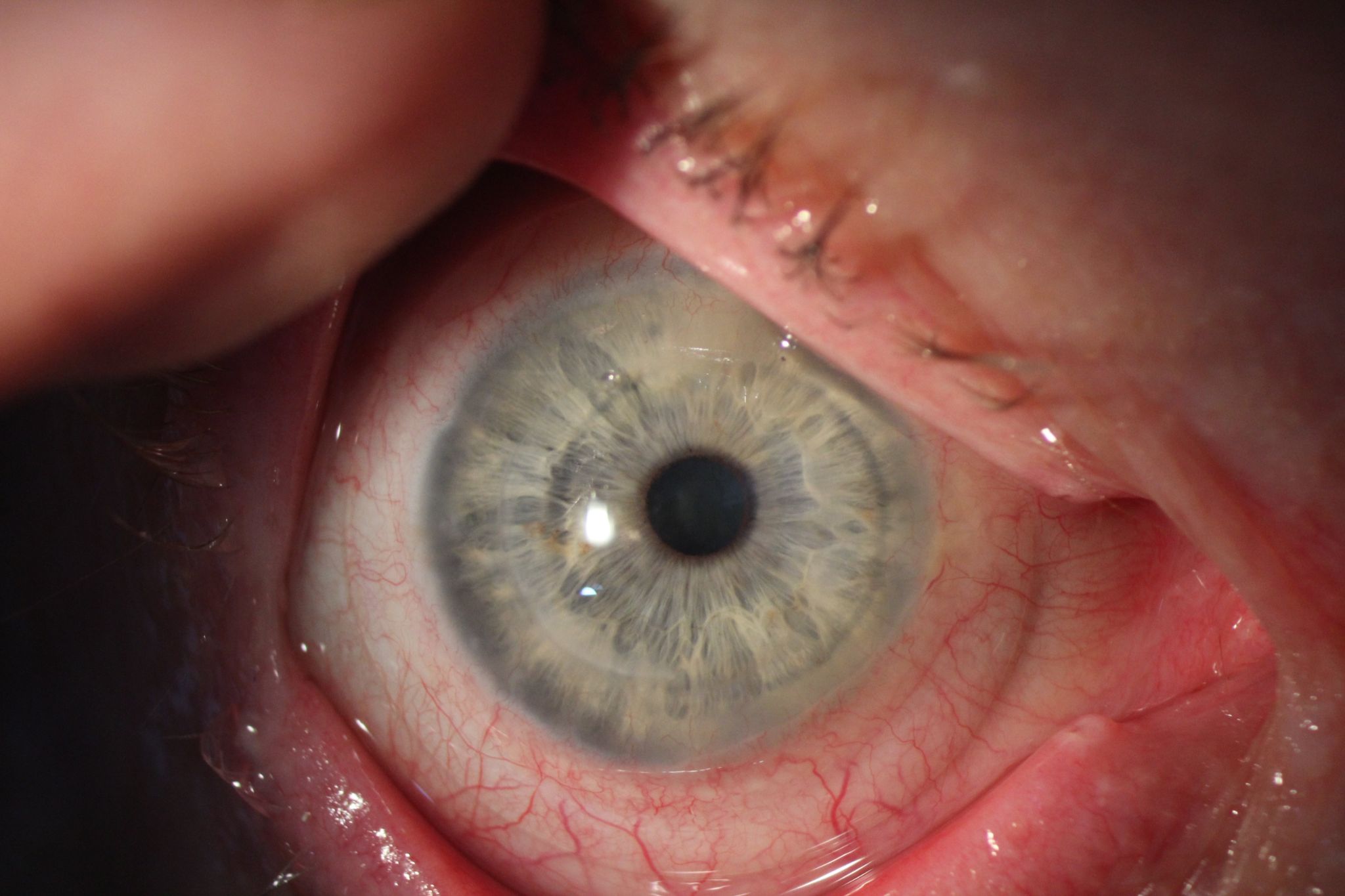
Keratoconus surgery and contact lenses are not either-or options. They often have different jobs.
Rigid and scleral lenses can give clearer vision by masking the irregular shape of the cornea.14 They do not stop keratoconus from progressing, so regular monitoring is still important.
Your appointment may include:
Bring any previous corneal scans, ophthalmology letters, or contact lens details if you have them.
If you have been told you may need keratoconus surgery, or if you want a second opinion on your management options, book an assessment with Innovative Eye Care.
We can help you understand your current corneal health, whether your keratoconus appears stable or progressive, and whether ophthalmology referral is needed.
Book your appointment now for personalised eye care tailored just for you.