Book Online
Please choose which location you would like to make an appointment for.
Many systemic therapies require expert ophthalmic evaluation to monitor potential ocular adverse effects and ensure participant safety throughout a clinical trial.
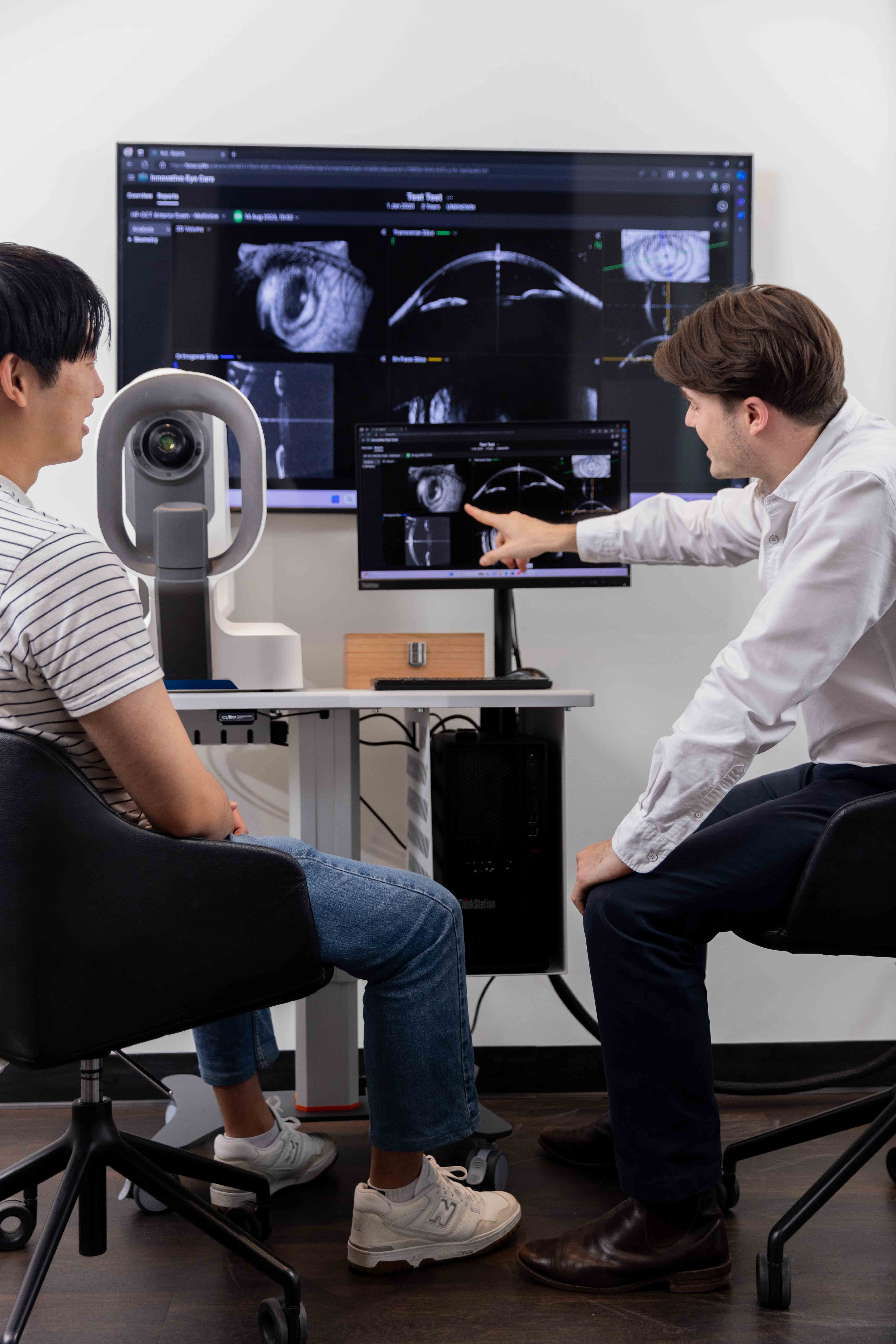
We provide independent ophthalmic assessments and ocular safety monitoring services for sponsors and CROs conducting clinical research across a broad range of therapeutic areas.
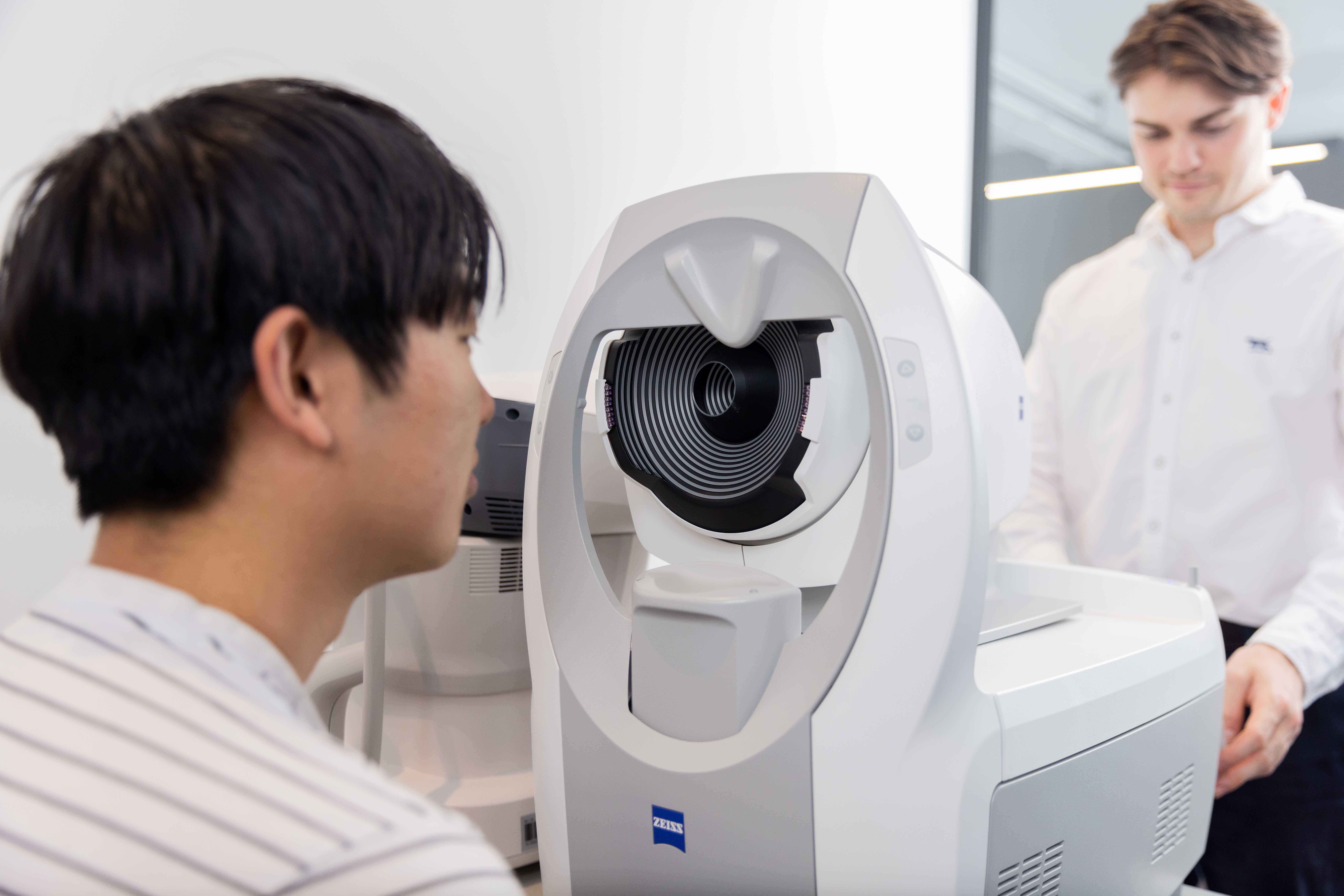
Our team works alongside research sites, hospitals and clinical trial networks to deliver standardised ophthalmic evaluations, imaging and safety assessments that support protocol requirements and regulatory obligations.
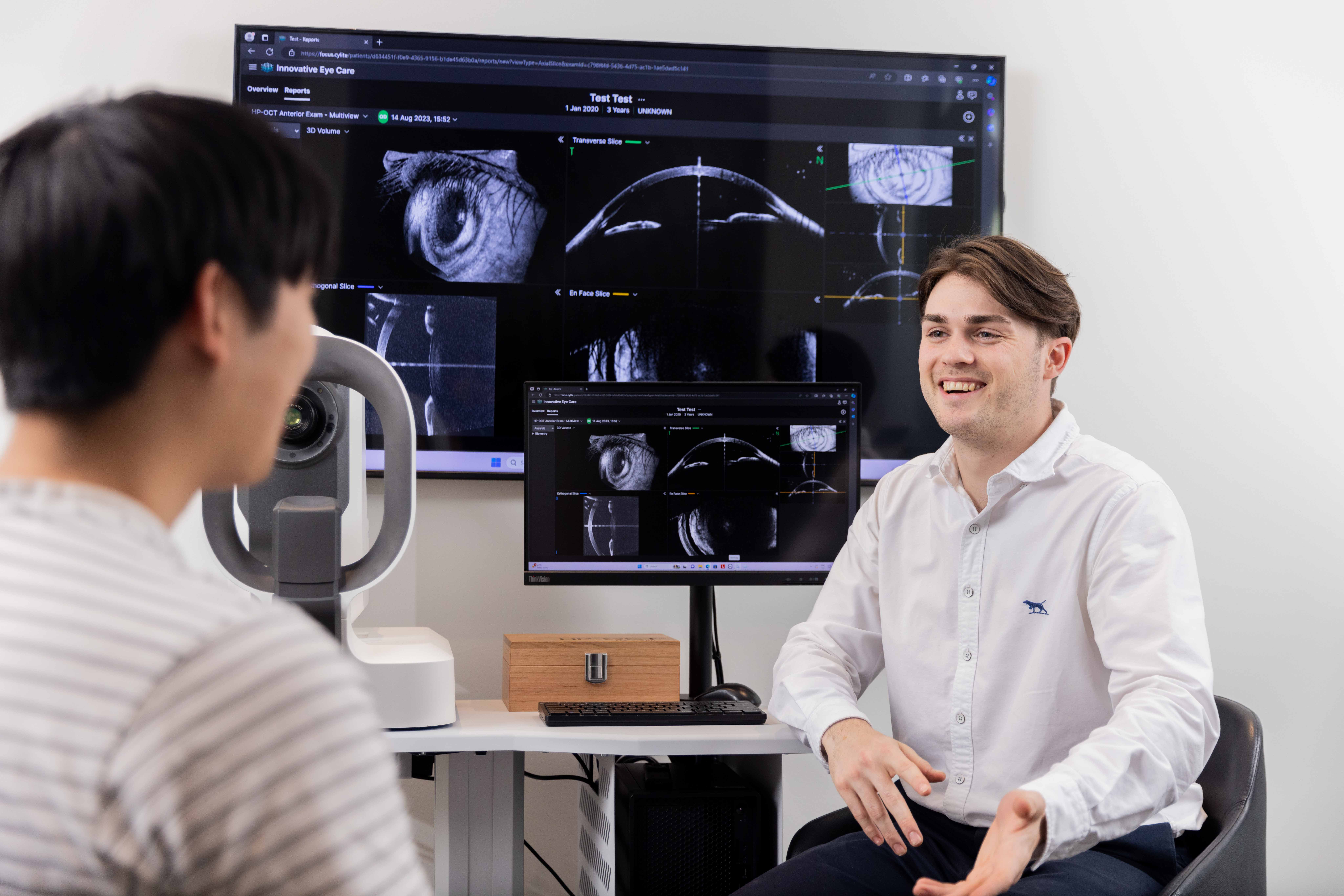
Systemic therapies can affect visual function, the retina, optic nerve, ocular surface and other ocular structures.
We provide comprehensive ophthalmic assessments to support:
Our assessments help sponsors identify, monitor and document potential ocular effects throughout the study lifecycle.
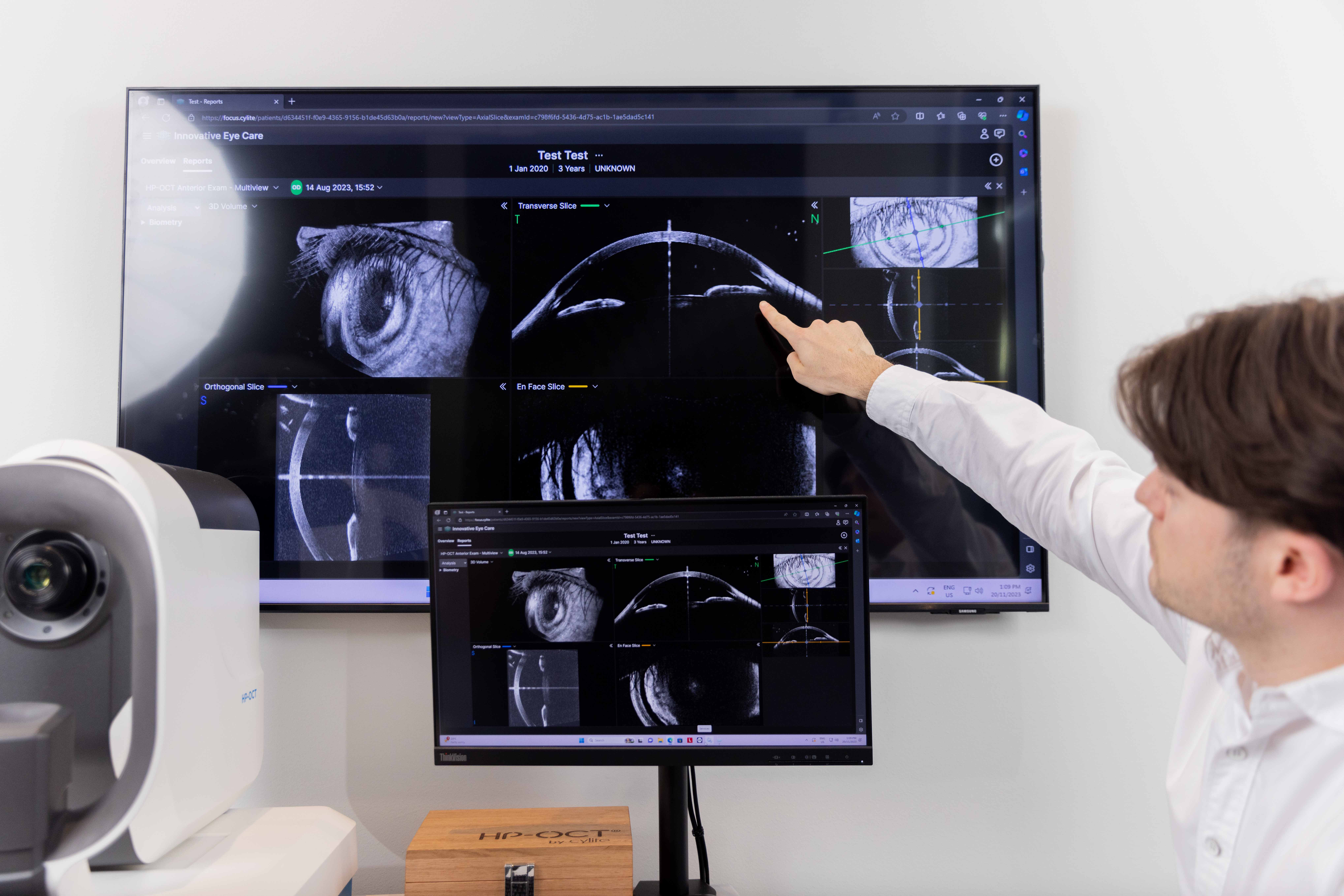
We offer a comprehensive range of ophthalmic examinations and diagnostic assessments, including:
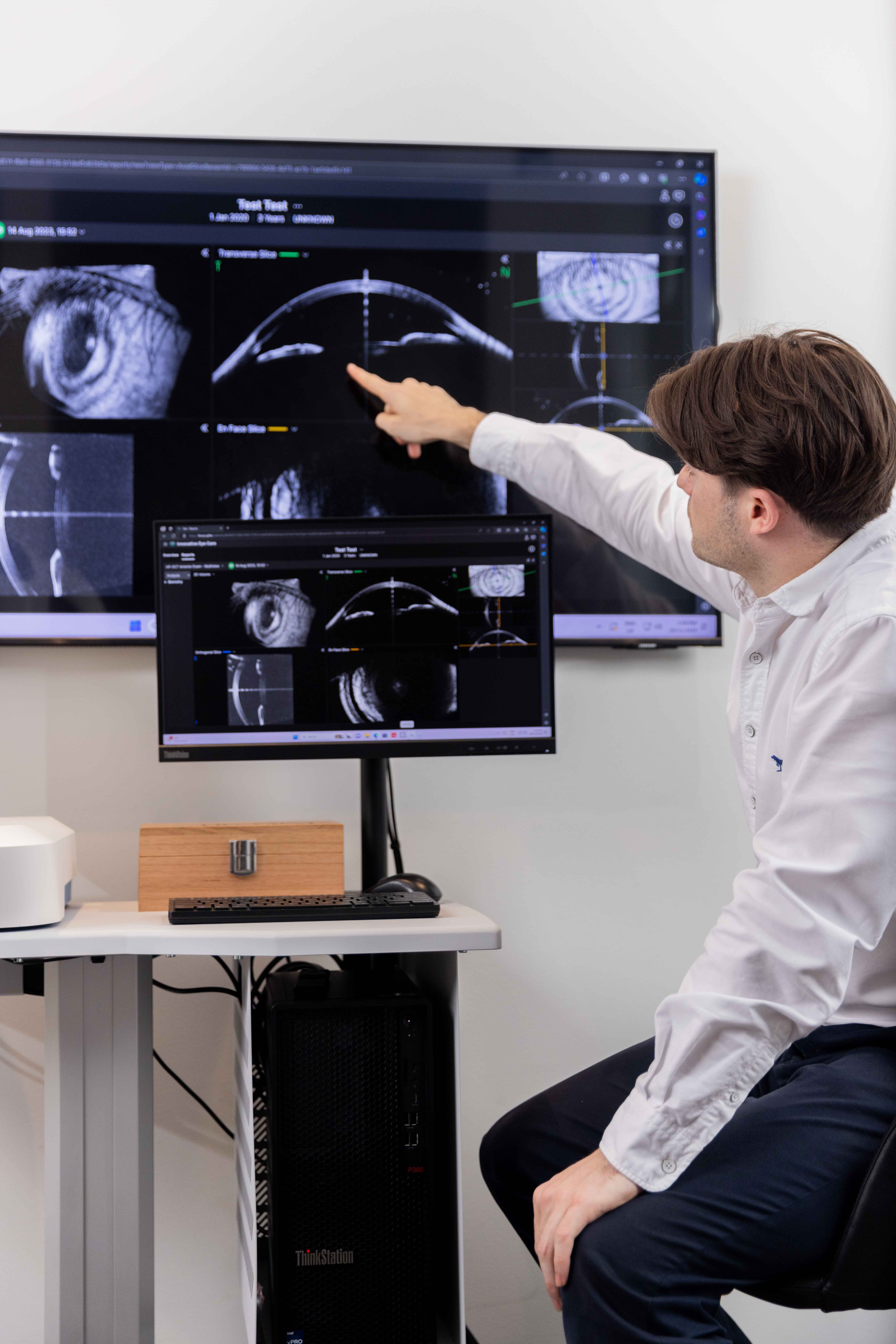
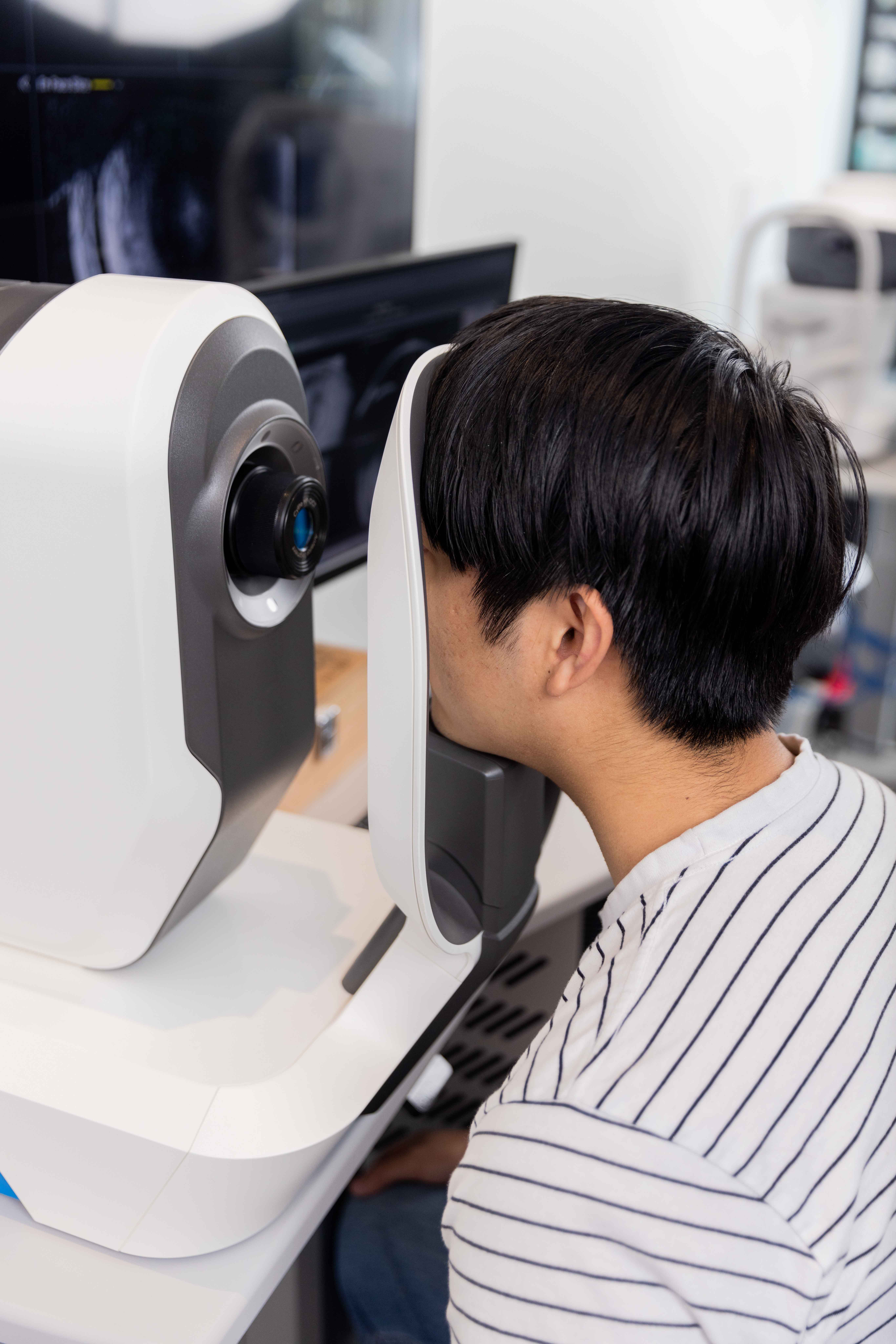
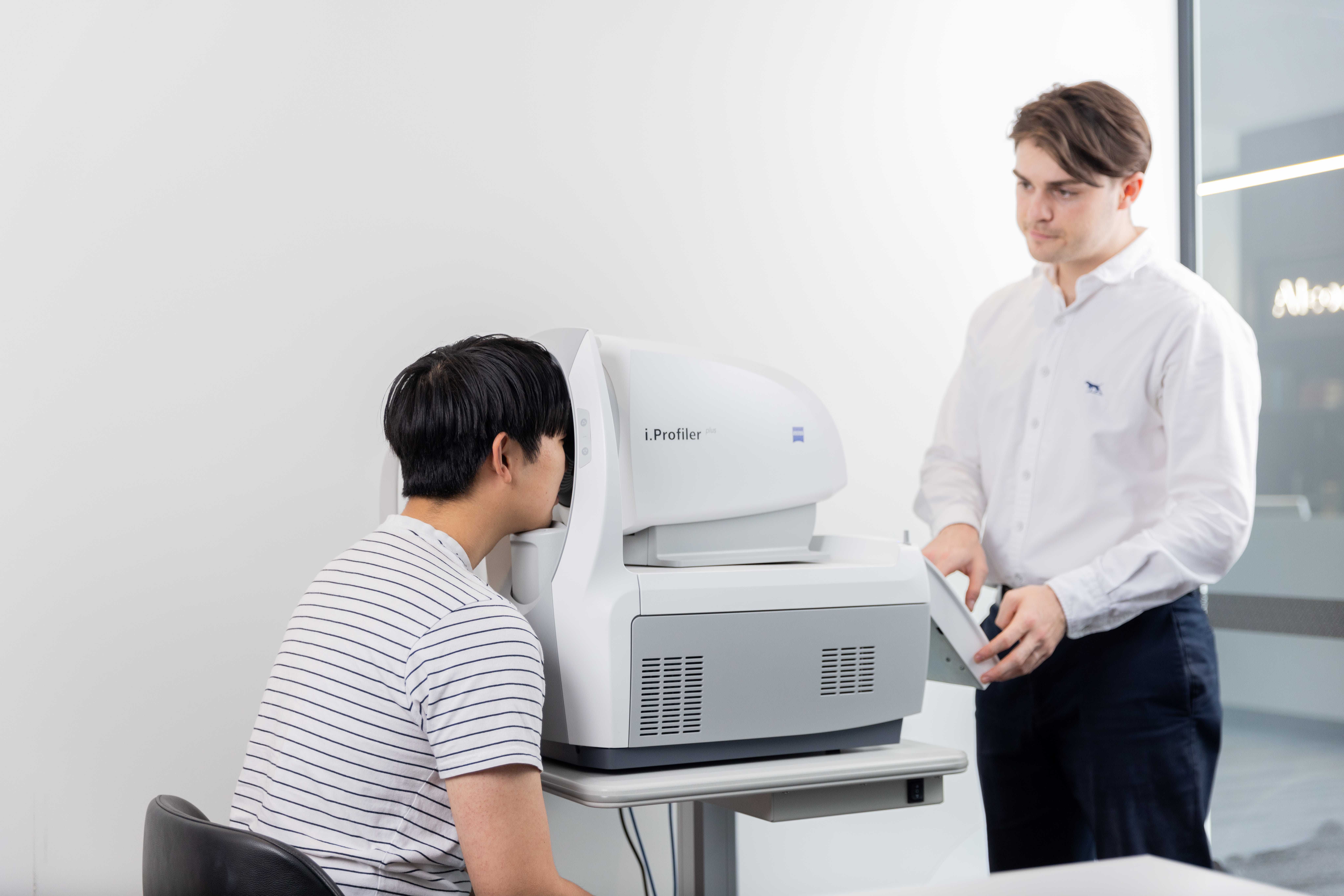
We support sponsors and CROs conducting clinical trials across a wide range of therapeutic areas where ocular monitoring may be required.
Targeted therapies, immunotherapies and emerging cancer treatments increasingly require ocular safety monitoring throughout treatment and follow-up.
Neurological therapies may require assessment of visual pathways, retinal health and visual function endpoints.
Clinical trials involving diabetes and metabolic disorders often require retinal and diabetic eye assessments (e.g. fundus photography and retinal assessments) as part of participant monitoring.
Long-term therapies and biologic agents may require ongoing ophthalmic surveillance to identify potential ocular adverse effects.
Novel therapies frequently incorporate specialised ophthalmic assessments as part of safety and efficacy monitoring programs.
Our team can support clinical research through a range of service models, including:
We work collaboratively with sponsors, CROs and primary research sites to ensure assessments are performed consistently and in accordance with study protocols.
If your clinical trial requires independent ophthalmic evaluations, retinal monitoring or ocular safety assessments, we would welcome the opportunity to discuss your protocol requirements.