

Book Online
Please choose which location you would like to make an appointment for.
Custom contact lenses for clearer vision with keratoconus.
Keratoconus can make vision blurred, distorted, ghosted, or hard to correct with glasses. This happens because the cornea becomes thinner and more irregular in shape.1,2
Keratoconus contact lenses help by creating a smoother optical surface in front of the eye. This can sharpen vision when glasses or standard soft contact lenses no longer give clear results.3
At Innovative Eye Care, we fit custom keratoconus contact lenses for patients in Adelaide and Henley Beach. Our optometrists use advanced corneal imaging, lens design technology, and ongoing review to improve vision, comfort, and eye health.
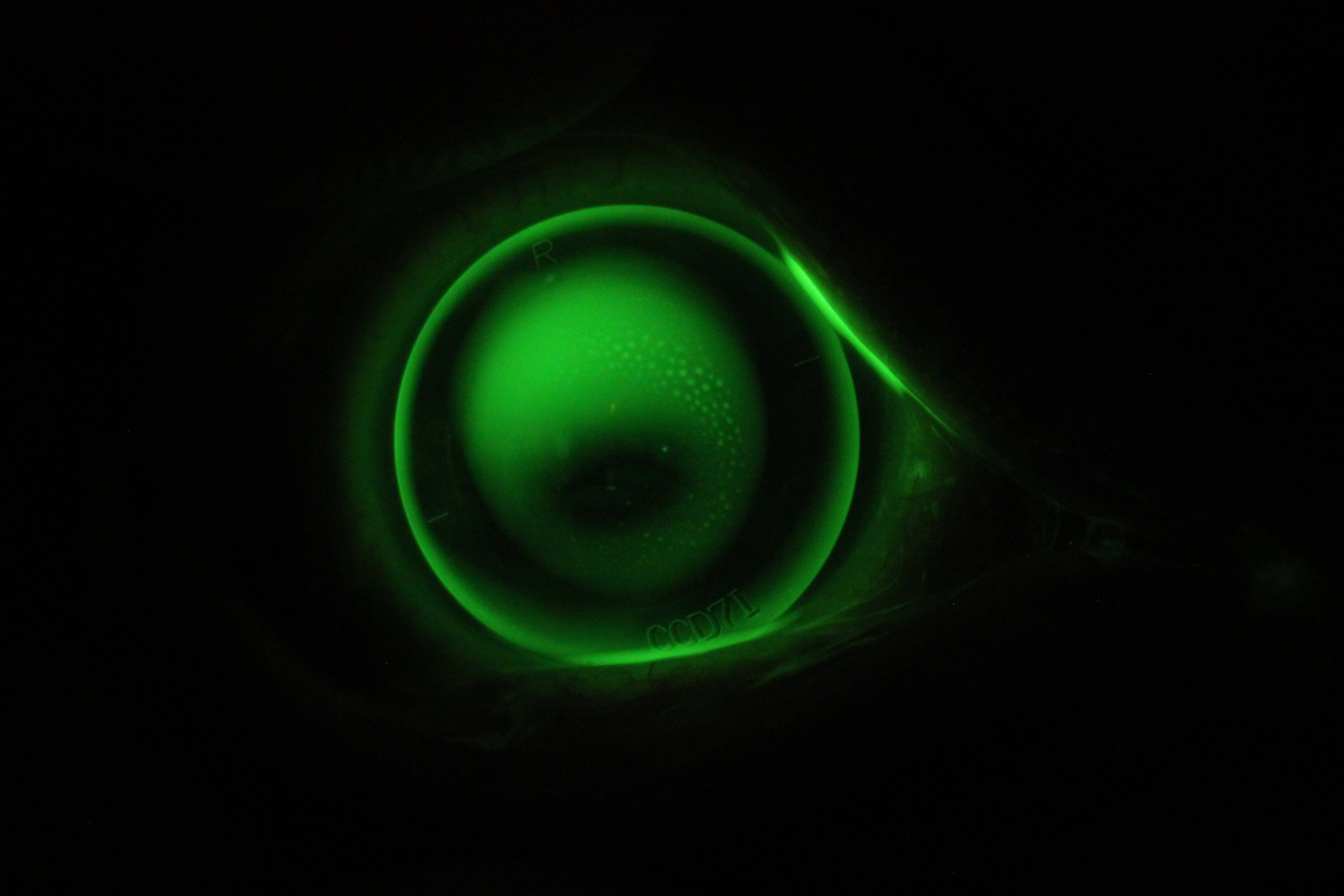

Glasses can work well in early keratoconus. Standard soft contact lenses may also help in mild cases. As the cornea becomes more irregular, these options often become less effective because they cannot fully neutralise the uneven corneal shape.1,3
Specialty contact lenses can provide better optics by masking the irregular corneal surface. These lenses do not cure keratoconus and do not stop progression. Their main role is visual rehabilitation, which means improving the quality and stability of vision.4
Keratoconus management usually has two goals:
For more information about diagnosis and treatment planning, visit our Keratoconus page.
There is no single best lens for every person with keratoconus. The right lens depends on your corneal shape, stage of keratoconus, prescription, comfort, lifestyle, eye surface health, and previous lens history.
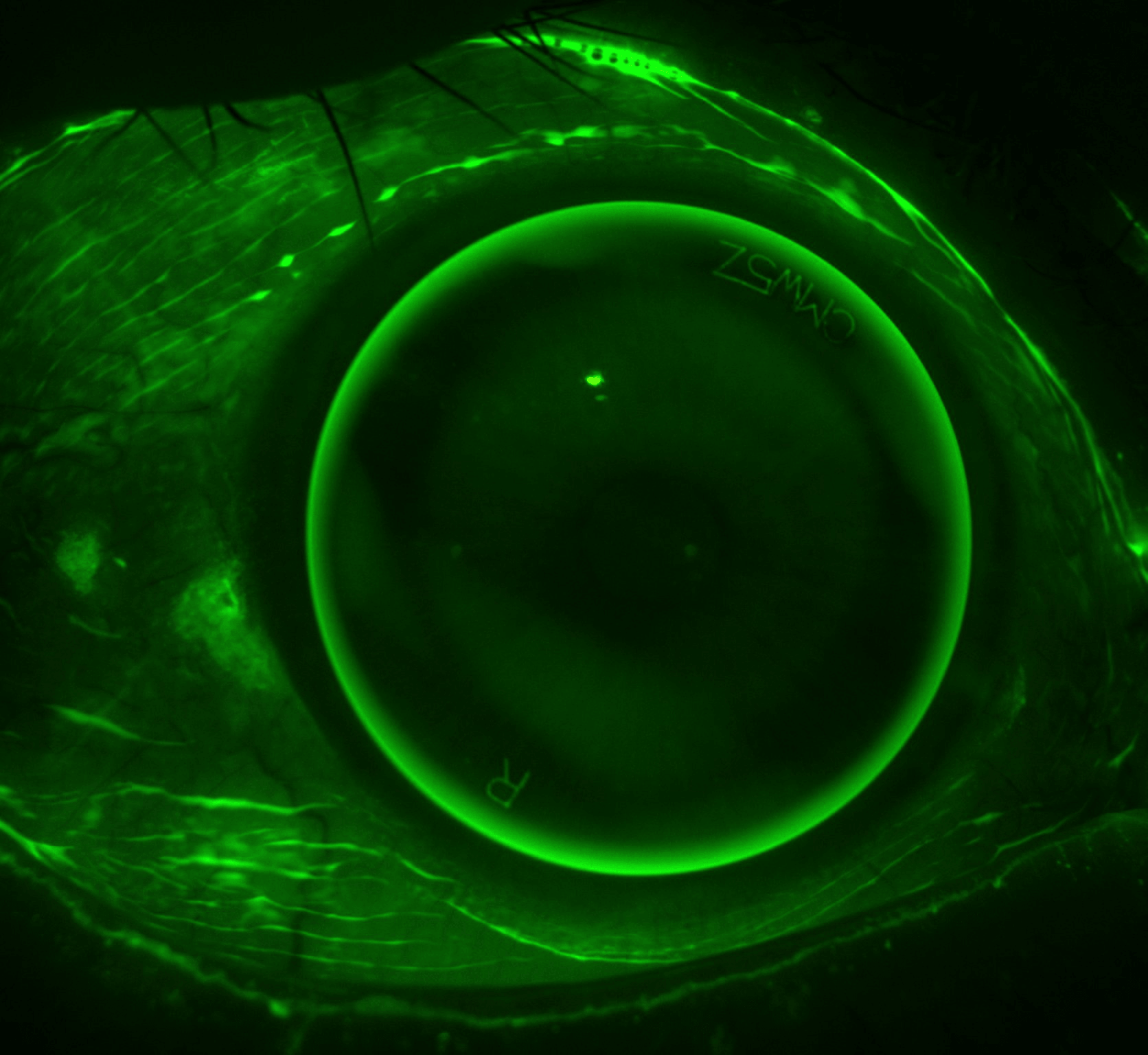
Rigid gas permeable lenses, often called RGP lenses, are small firm lenses that sit on the cornea. They create a smooth front surface over the irregular cornea, which can improve clarity in keratoconus.3
RGP lenses may suit mild to moderate keratoconus when the lens centres well and feels comfortable.
They may not suit every eye. Some patients experience lens awareness, movement, glare, dust sensitivity, or poor comfort. If a corneal RGP lens rubs or bears too heavily on the cone, the fit needs review because corneal health matters as much as vision.
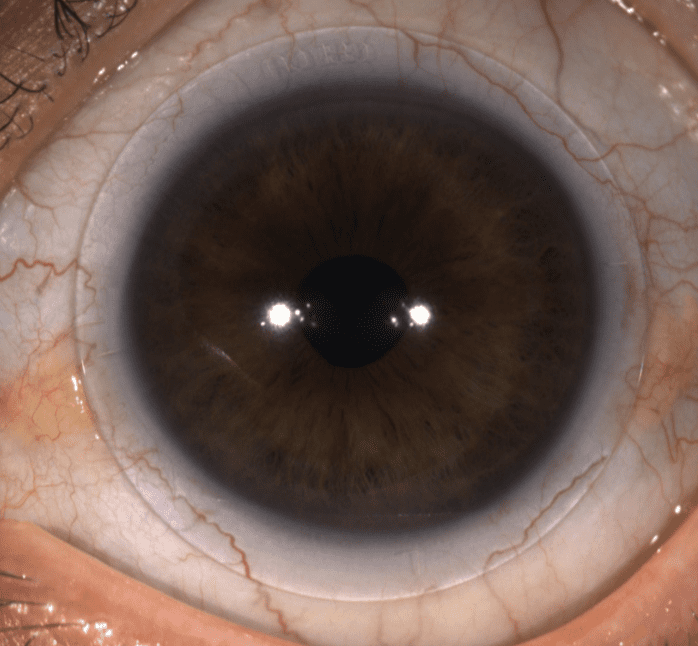
Scleral lenses are larger rigid lenses that vault over the cornea and rest on the white part of the eye. A fluid layer sits between the lens and the cornea. This design can give stable vision and improved comfort, especially in moderate to advanced keratoconus.6,7
Scleral lenses may be useful when:
You can learn more on our Scleral Contact Lenses page.
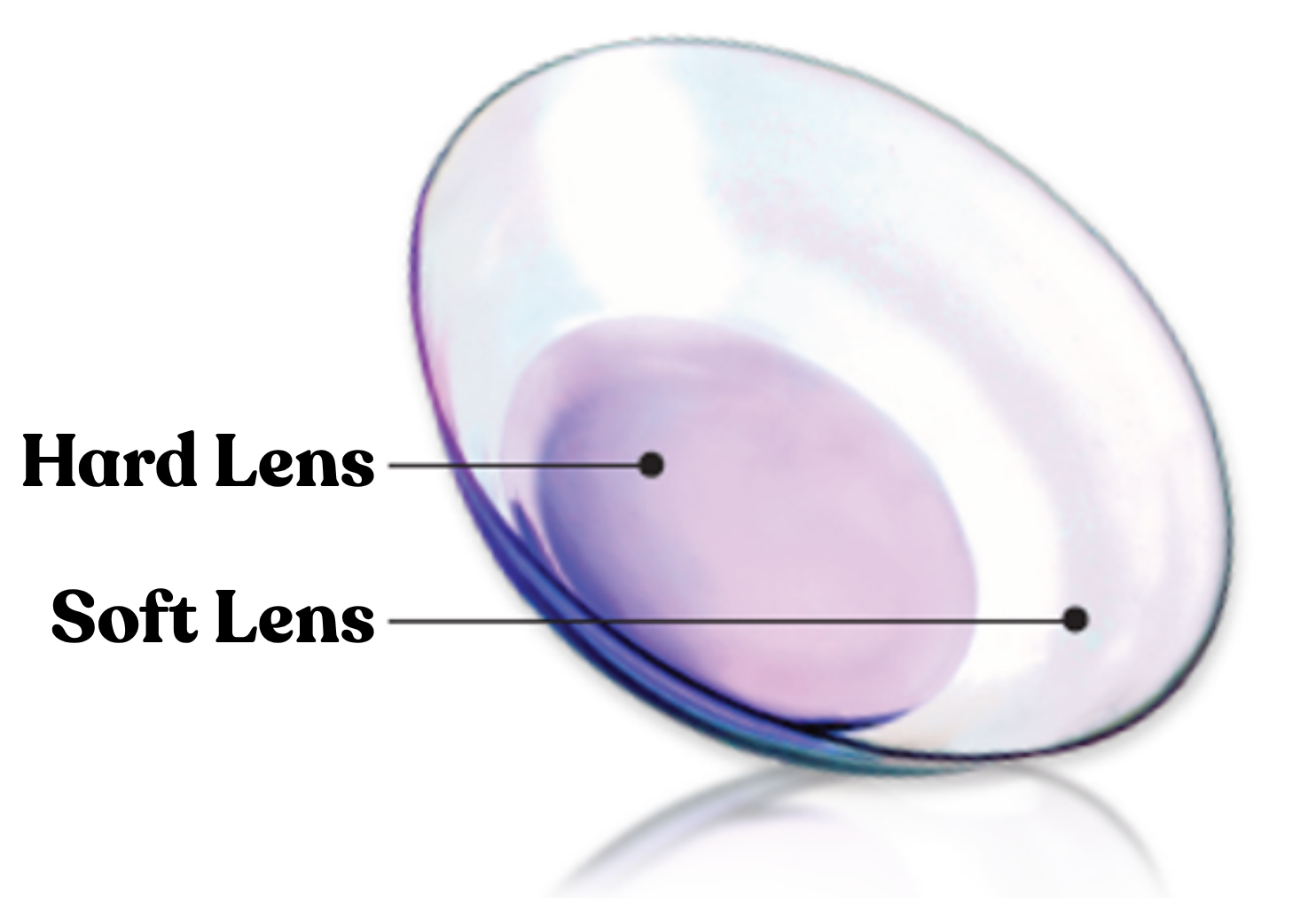
Hybrid lenses have a rigid centre and a soft outer skirt. The rigid centre improves optics, while the soft skirt may improve comfort and centration. Hybrid lenses can help some patients with moderate keratoconus, although they still need careful fitting and review.8
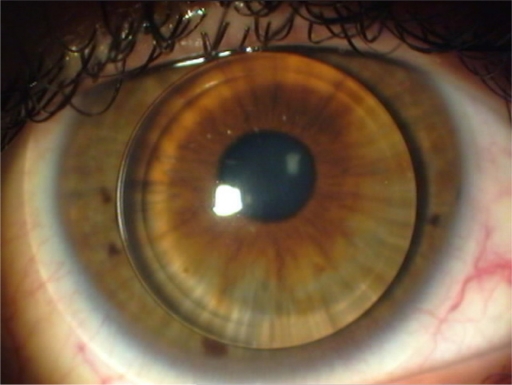
A piggyback system uses a soft contact lens underneath a rigid lens. The soft lens acts like a cushion, while the rigid lens provides the sharper optics. This can improve comfort for selected patients who need an RGP lens but struggle with lens awareness.9
Some mild keratoconus patients can use custom soft lenses designed for irregular corneas. These lenses may offer better comfort than rigid designs, but they may not give the same optical sharpness as RGP or scleral lenses in more irregular corneas.
The best keratoconus contact lens is the one that gives you clear, stable vision while keeping your eyes comfortable and healthy.
For mild keratoconus, glasses, custom soft lenses, or corneal RGP lenses may work well. These options can be effective when the cornea is only mildly irregular and the lens sits well on the eye.
For moderate to advanced keratoconus, scleral lenses are often worth considering. They vault over the cornea rather than sitting directly on the most sensitive and irregular part of the eye. This can make them more comfortable for many patients, especially when smaller rigid lenses feel unstable, irritating, or hard to tolerate.
Scleral lenses can also provide excellent optics. The fluid layer between the lens and the cornea helps create a smoother optical surface, which can reduce blur, ghosting, glare, and visual distortion caused by an irregular cornea.
A patient who has tried corneal RGP lenses before and found them uncomfortable may still do well with contact lenses. A different design, especially a scleral lens, may provide better comfort, lens stability, and wearing time.
The fitting process matters. Poorly fitted lenses may cause discomfort, unstable vision, corneal staining, or reduced wearing time. In keratoconus, the lens should improve vision while respecting the cornea and ocular surface.
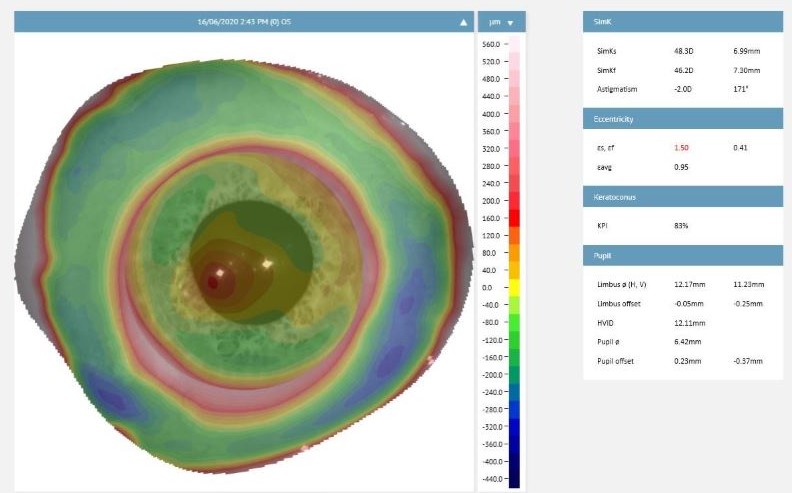
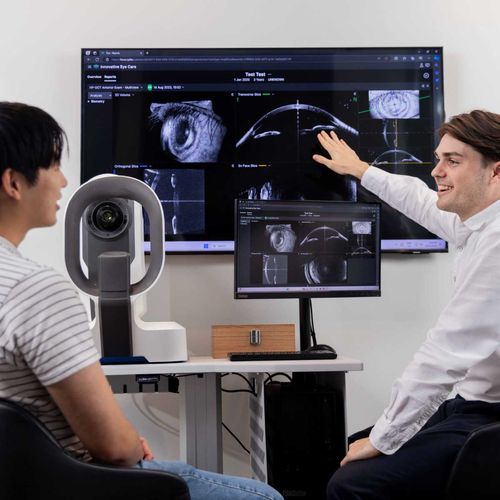
At Innovative Eye Care, we take a measurement-led approach to keratoconus contact lens fitting.
Your assessment may include:
This helps us design lenses around your eye shape, not just your prescription.
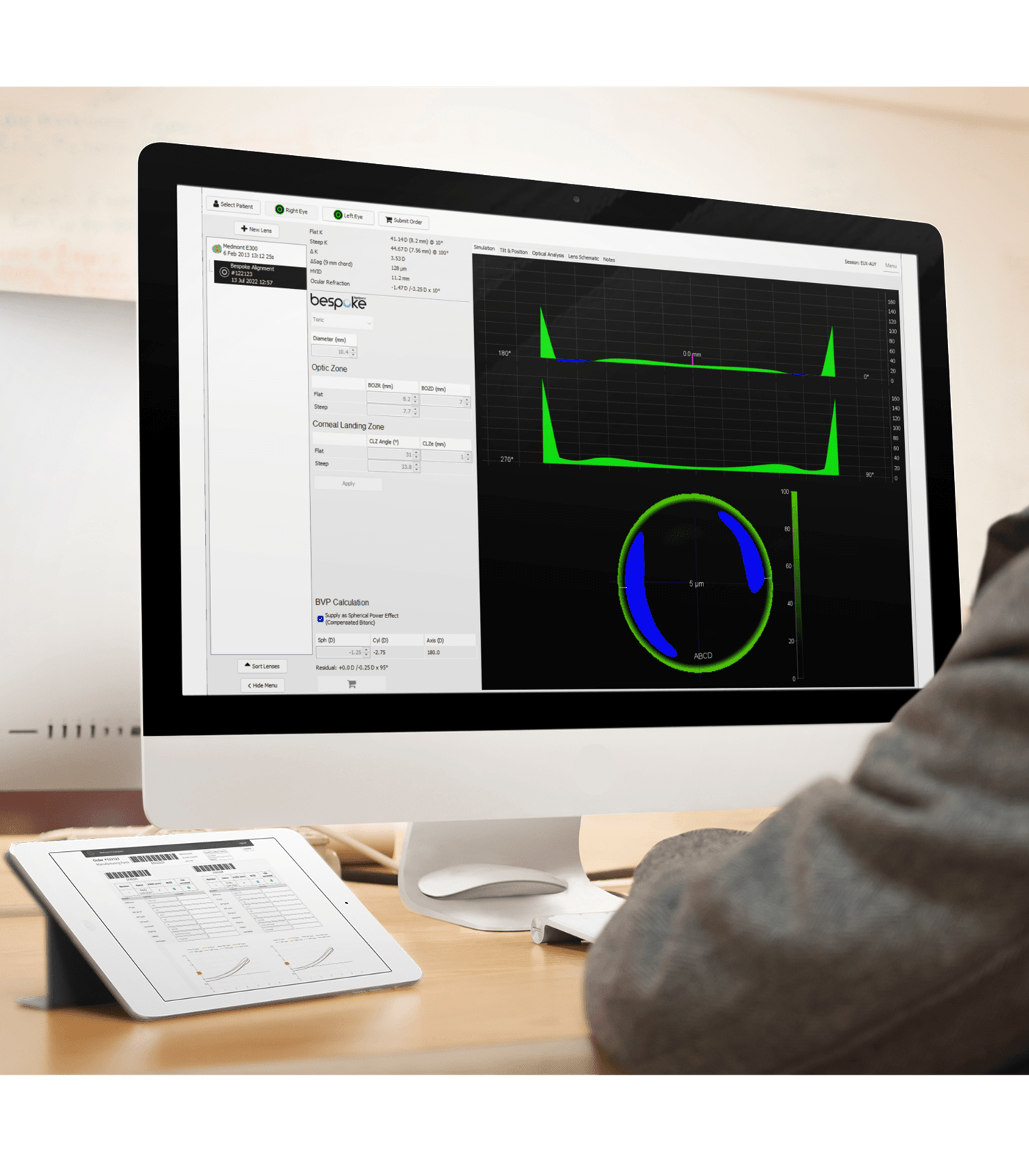
We use EyeSpace lens design software and EyeSpace scleral lens designs for many keratoconus fittings. This technology has made trial lens fitting simpler and more efficient. It helps us choose a more accurate starting lens, reduce unnecessary trial lens changes, and refine the final design based on your eye shape.
We also review your lens fit over time. Keratoconus can change, and your lenses may need adjustment if your cornea, vision, or comfort changes.
Many people with keratoconus see more clearly with specialty contact lenses than they do with glasses. This is because specialty lenses reduce the optical distortion caused by an irregular cornea.3
Your result depends on the severity of keratoconus, corneal scarring, eye surface health, and whether the lens can sit safely and comfortably on the eye.
No. Contact lenses improve vision, but they do not stop keratoconus progression.
Contact lens options, including corneal RGP, hybrid, piggyback, and scleral lenses, can help manage irregular astigmatism. RGP lenses do not stop keratoconus from progressing.4
If your keratoconus is progressing, corneal cross-linking may be considered to stabilise the cornea. Your optometrist can monitor for progression and refer to an ophthalmologist when needed.
Read more about keratoconus diagnosis, monitoring, and treatment on our Keratoconus page.
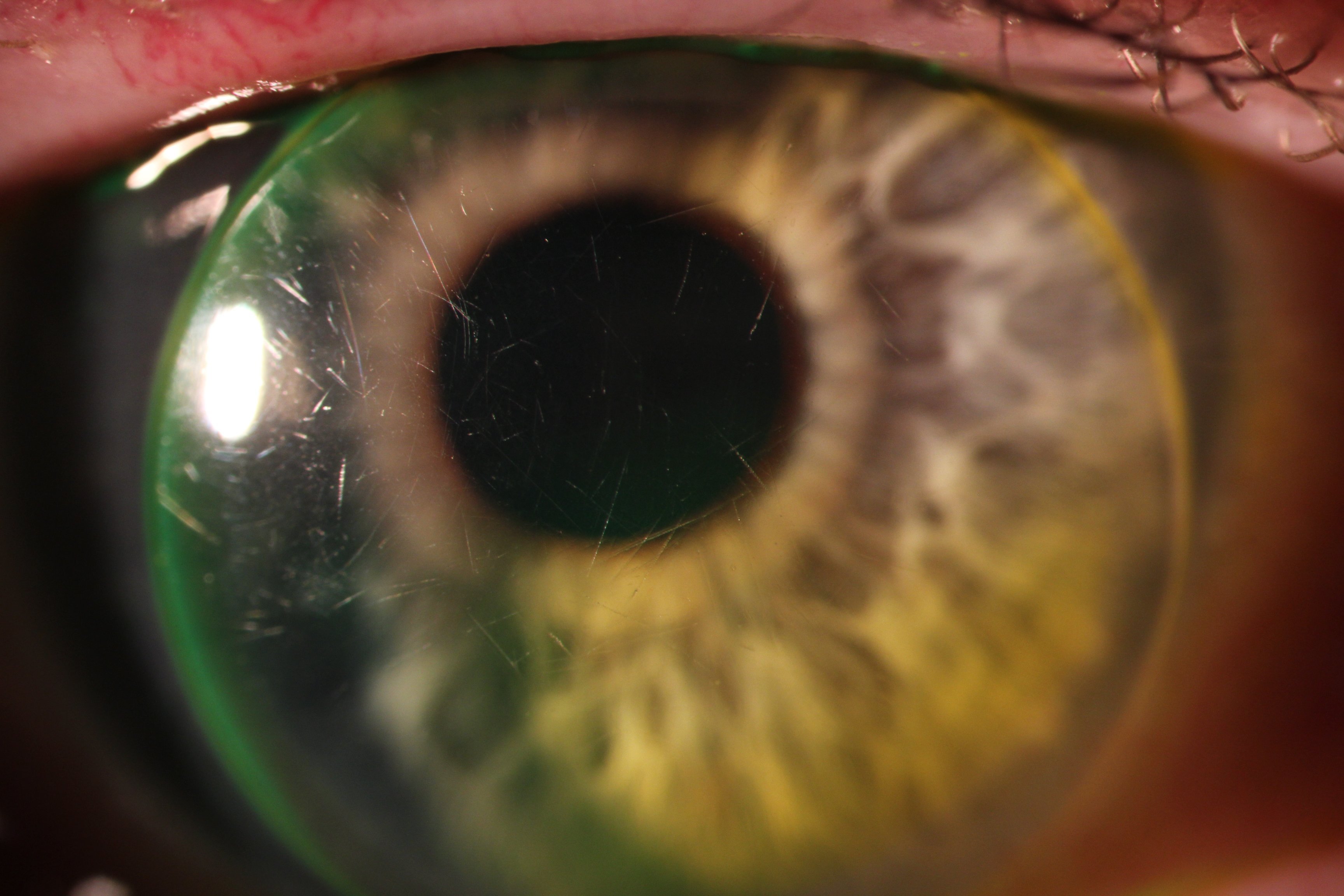
Keratoconus contact lenses need regular review. Even if your vision feels clear, your optometrist still needs to check corneal health, lens movement, lens clearance, tear exchange, deposits, and wearing time.
You should book a review sooner if you notice:
Do not keep wearing a painful contact lens.
For lens cleaning and handling advice, visit our Care of Scleral Lenses and Contact Lens Care pages.
Keratoconus care in Australia has changed over time. Modern management now focuses on earlier diagnosis, closer monitoring, corneal cross-linking when needed, and advanced contact lens options for visual rehabilitation.10
This reflects a broader move toward protecting corneal stability while helping patients achieve clearer, more functional vision.10
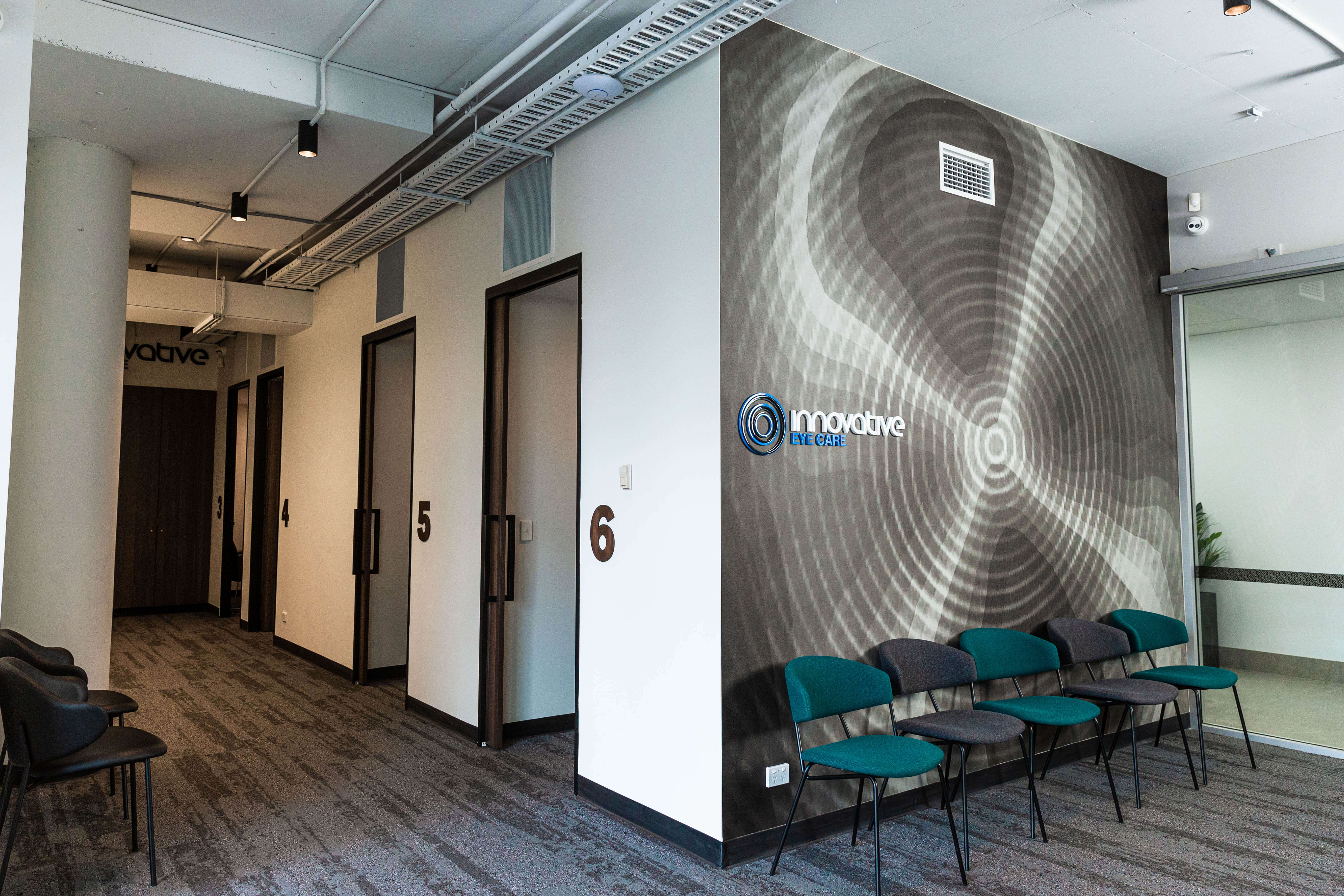
Innovative Eye Care has a strong clinical focus on keratoconus and specialty contact lenses.
Our principal optometrist, Lachlan Hoy, authored the keratoconus chapter in the textbook Contact Lenses, published in 2019. Our team uses advanced diagnostic imaging and custom lens design technology to fit complex corneas, including keratoconus, pellucid marginal degeneration, post-graft corneas, and other irregular corneal conditions.
If glasses no longer give you clear vision, or if your current contact lenses are uncomfortable, unstable, or blurry, book a keratoconus contact lens assessment.
We will assess your corneal shape, eye health, prescription, and visual needs, then recommend the most suitable lens options.
Book onlineBook your appointment now for personalised eye care tailored just for you.