Dry Eyes Resource Guide: Causes, Symptoms, Treatment and Prevention

Book Your Consultation Today

What is Dry Eye?

Dry Eye Syndrome is a common condition where your eyes do not produce enough tears, or the tears evaporate too quickly. A healthy tear film keeps the cornea and conjunctiva moist, shields them from damage, and even helps your eye focus clearly. When the tear film becomes unhealthy, it breaks down on different parts of the cornea and conjunctiva. This can lead to discomfort, blurred vision, and potential damage to the eye surface.
Common Causes of Dry Eyes

There are many different causes of dry eyes; some of the more common causes are listed below.

  • Aging
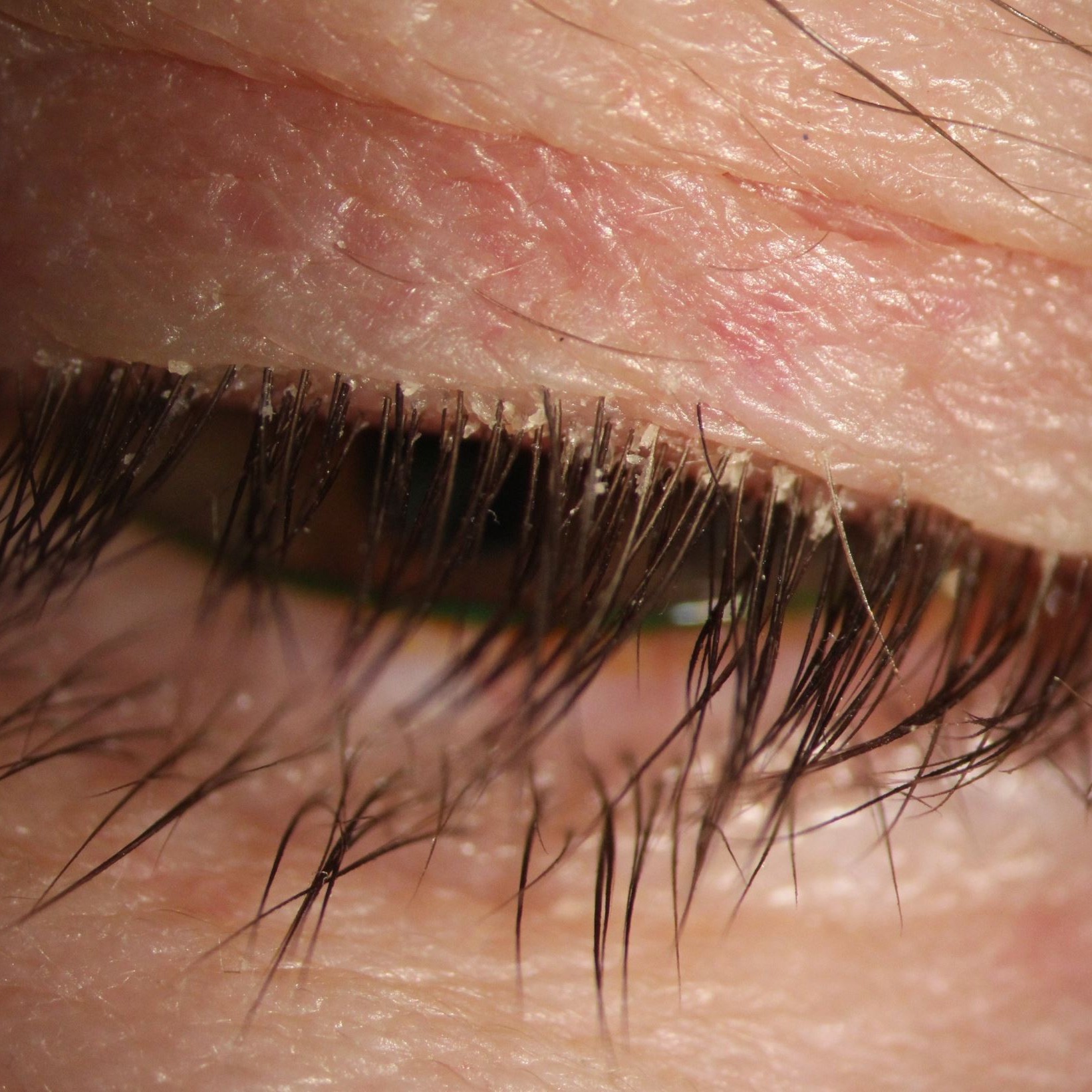
  • Blepharitis (Eyelid Inflammation)
  • Trauma/Surgery
  • Diabetes
  • Environmental Factors (Windy, Dusty, Dry Environments)
  • Medications
  • MedicaMedical Conditions (Autoimmune diseases such as Sjogren's)tions
  • Hormonal Changes
  • Infrequent Blinking (Being on a computer)

Recognising Dry Eye Symptoms

These are some of the common symptoms caused by dry eyes:
  • Foreign Body Sensation
  • Irritation
  • Fluctuating Vision that improves with blinking
  • Burning Eyes
  • Stinging Eyes
  • Light Sensitivity (Photophobia)
  • Persistent dryness and grittiness
  • Excessive tearing (watery eyes)

How are Dry Eyes diagnosed?

An optometrist is able to diagnose dry eyes through a number of different tests. Some of these tests are listed below.

  • OSDI (Ocular Surface Disease Index): Assesses the patient’s symptoms
  • Tear Break Up Test (TBUT): Assesses how long it takes for your tear film to break up
  • Schirmer Test: Assesses the volume of tears produced over five minutes
  • Ocular Surface Staining: Assesses the health of the corneal epithelium
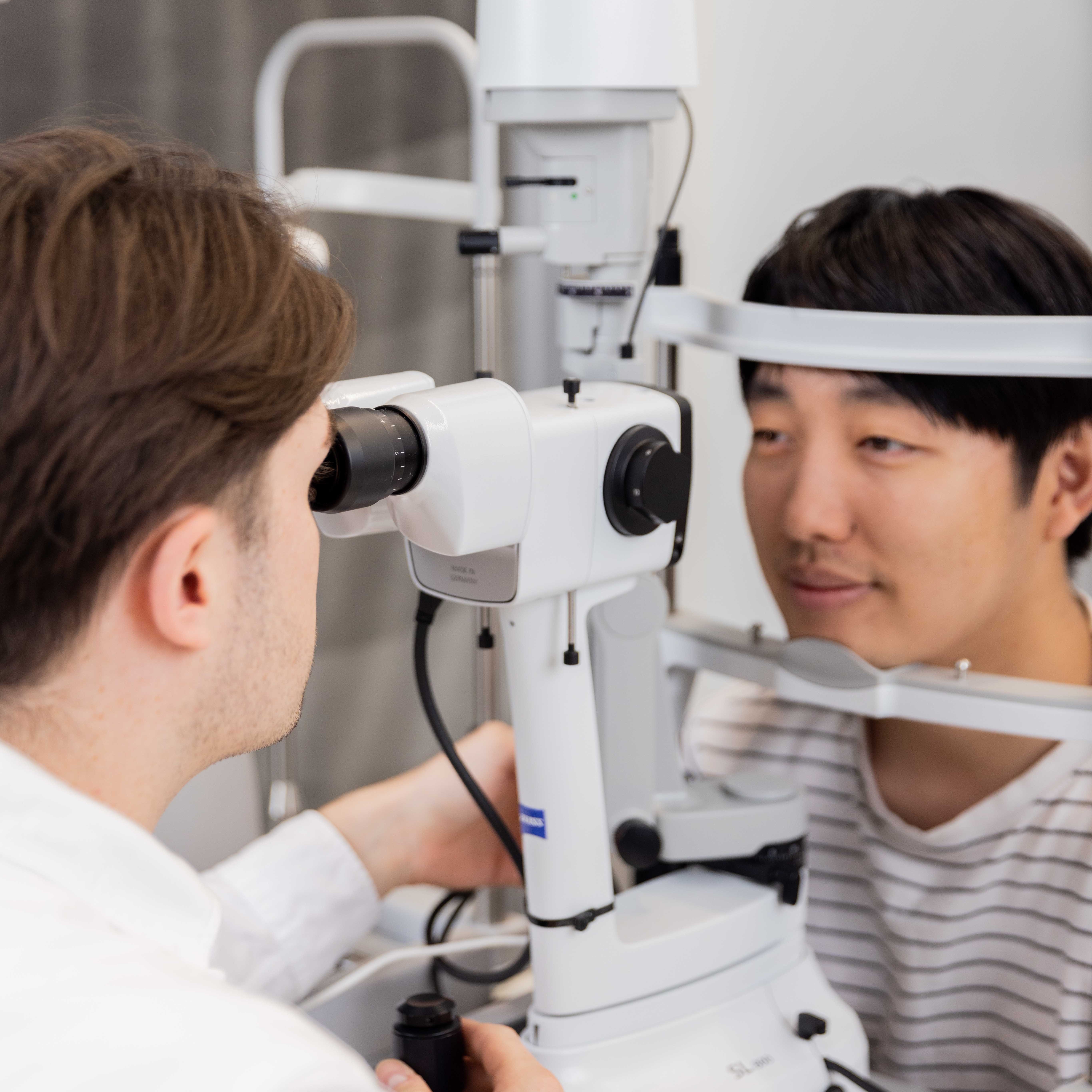
  • Slit Lamp Assessment
  • Meibography: Assesses the quality of the meibomian glands (used to produce the oil layer of the tear film)